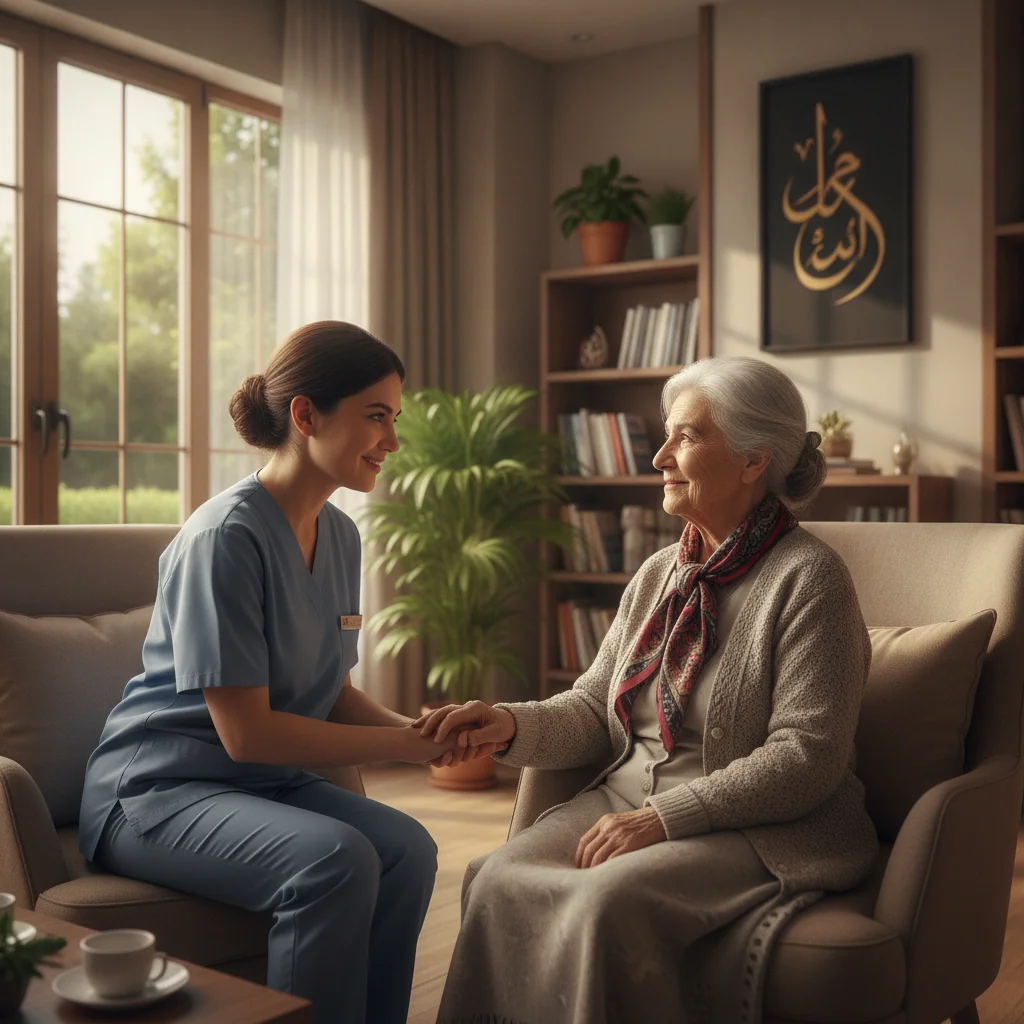
What is the Difference Between Senility and Dementia?
Seeing your aging parents starting to forget things lately, mixing up names, or struggling with their daily routines might be causing you deep anxiety. During this process, one of the biggest questions on your mind is undoubtedly: Although these two concepts are used interchangeably among the public and sometimes even in healthcare circles, there is a very clear medical relationship and hierarchy between them. Clarifying what these concepts mean is vital to making the right decisions for your loved ones, offering them the comfortable life they deserve, and creating a proper elderly care plan.
We understand very well the uncertainty, guilt, and loneliness you feel while watching your parent's cognitive changes. As Yörtürk Nursing Home and Elderly Care Center, a ministry-approved nursing home located in Yenimahalle, Ankara, we closely observe the confusion our families experience during these sensitive processes every day. In this guide, we will address how you can support your loved ones who are lost in the labyrinths of the mind in a more conscious way, backed by medical facts.
What is the Difference Between Senility and Dementia? Understanding the Umbrella Concept
The most common mistake in medical terminology is thinking that these two terms represent two completely different diseases. In fact, the simplest answer to the question of what is the difference between senility and dementia is that one is the colloquial equivalent in Turkish, while the other is the universal naming in the medical world. However, when we examine the subject more deeply, a hierarchy emerges.
Dementia is a general umbrella term describing a chronic and progressive decline in memory, thinking, orientation, language skills, and the ability to perform activities of daily living. In Turkish literature and daily spoken language, this condition is traditionally expressed with the word bunama (senility). In other words, medically, every case of senility is dementia; however, the course, cause, and the required individual care plan of each dementia case are completely different from one another.
Dementia is not a single disease. Just as the term 'heart disease' covers rhythm disorders, vascular occlusion, and valve insufficiency; dementia is a general umbrella term that encompasses many different subtypes such as Alzheimer's, vascular dementia, and Lewy body dementia.
Therefore, when you hear one of these diagnoses from your doctor, instead of panicking, the first step should be to learn which subtype it belongs to and how the process will be managed. At our center in Ankara, we aim to minimize the challenges brought by this process with dementia care protocols specially prepared for our residents' cognitive levels.
What Are the Most Common Subtypes of Dementia?
Knowing the actual cause behind the changes you observe in your parent allows you to anticipate what lies ahead in the future. The main types of dementia accepted in the medical world and emphasized by geriatric specialist teams in diagnosis are as follows:
- Alzheimer's Disease: This is the most common type, accounting for approximately 60 to 80 percent of all dementia cases, characterized by the death of neurons due to protein accumulation in the brain.
- Vascular Dementia: This is a cognitive decline that develops suddenly or in steps as a result of vascular events such as stroke or blocked blood flow to the brain.
- Lewy Body Dementia: This type manifests itself with memory loss as well as hallucinations, sleep disorders, and Parkinson's-like movement limitations.
- Frontotemporal Dementia: This is a condition caused by damage to the frontal and temporal lobes of the brain, characterized by personality changes, social behavior disorders, and loss of language skills rather than memory loss.
Regardless of the type, receiving professional care center support during progressive stages both preserves the elderly person's quality of life and prevents family members from experiencing caregiver burnout. Standing out among ankara elderly care center alternatives for families seeking a safe haven in Ankara, our institution develops approach models specific to each subtype.
How to Distinguish Between Normal Age-Related Forgetfulness and Dementia Symptoms?
It is natural for every aging individual to experience mild forgetfulness. However, it is necessary to know when this situation requires medical support and when it is just a natural consequence of aging. The following list will help you analyze your parent's situation:
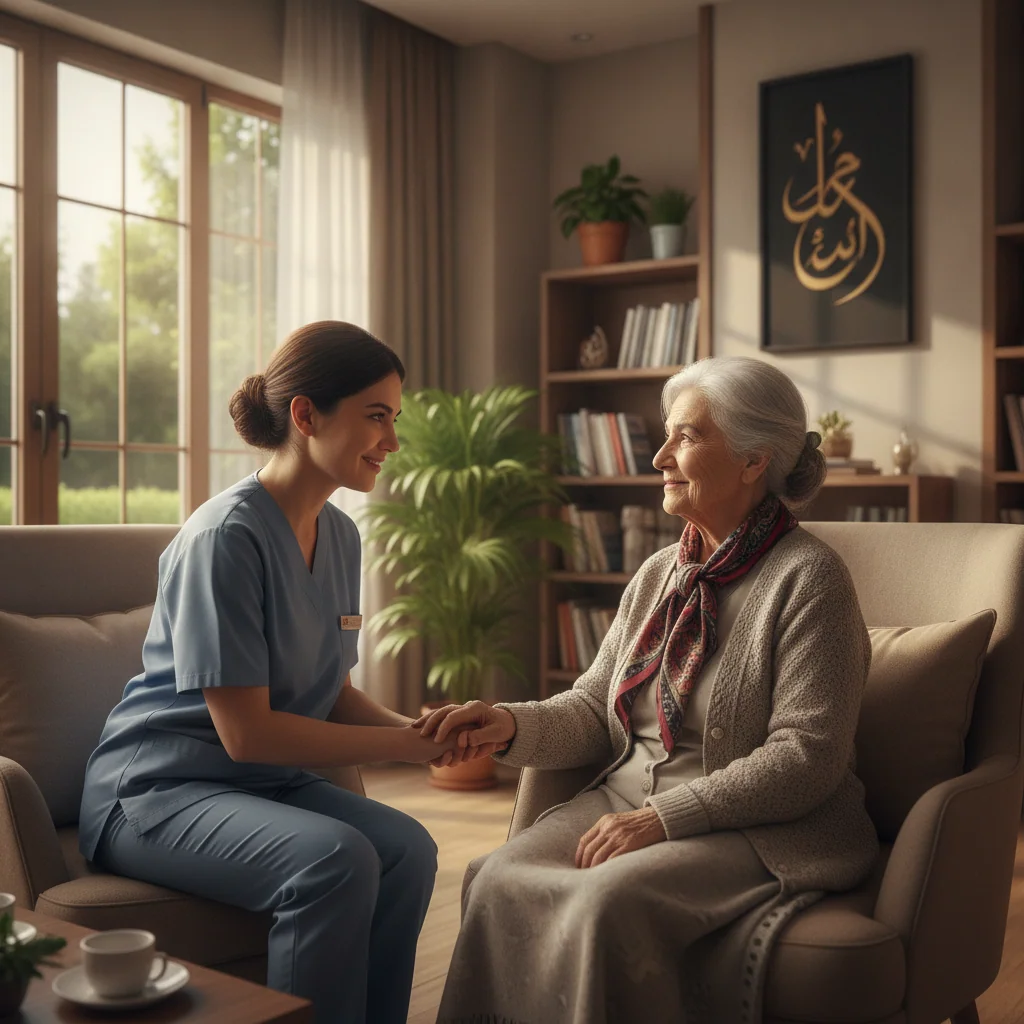
- Losing Keys vs. Forgetting What a Key is Used For: In normal aging, a person may forget where they put their keys but will find them when they look. A person with dementia, on the other hand, might put the key in the refrigerator and struggle to remember that it is an object used to open doors.
- Searching for Words vs. Losing Fluent Speech: An elderly individual may sometimes have difficulty remembering a word. A person in the process of dementia, however, stops completely in the middle of a conversation, repeats the same sentence over and over, or gives incorrect names to objects.
- Mixing Up Dates vs. Being Unable to Perceive the Season: Forgetting the day of the week and remembering it later is normal. However, completely mixing up the current month, season, or year, and being unable to find the way home are serious symptoms of dementia.
- Social Withdrawal and Character Changes: Instead of ordinary fatigue, a person completely distancing themselves from their hobbies or adopting an extremely suspicious, angry, or anxious character is a harbinger of cognitive decline.
If you observe several of these symptoms in your loved one, it is important to organize an examination by a neurologist or a geriatric specialist without losing time. Correct medication therapy started in the early stages and professional elderly health monitoring can significantly slow down the progression rate of the disease.
How Should Dementia and Senility Care Be in a Professional Nursing Home?
Caring for your loved ones in a home environment can turn into a burden that is difficult to carry both physically and psychologically as the disease progresses. When making a nursing home choice, attention should be paid to whether the institution is well-equipped not only in terms of accommodation but also medically and socially. Families looking for a quality ankara nursing home should inquire about the following standards:
Uninterrupted Medical Monitoring Day and Night
It is vital for individuals who have lost their cognitive abilities to take their medications regularly. For this reason, the institution must have uninterrupted 24/7 nursing support, and blood pressure, blood sugar, and vital signs should be monitored professionally. In addition, an expert medical staff capable of intervening in potential emergencies must be available at all times.
Safe Living Space Suitable for Cognitive Levels
Since dementia patients lose their sense of direction, they can easily get lost or experience home accidents. The safe living environment offered by the institution should have an architectural design to prevent falls, non-slip floors, and security systems that prevent the patient from leaving unsupervised.
Social Activities That Keep the Mind Active
Physical care alone is not enough; meaningful activities must be planned for the elderly to maintain their cognitive capacities. Through music therapies, handicrafts, light exercises, and social activities, individuals are encouraged to hold onto life and feel valued. This approach also reduces behavioral symptoms such as depression and aggression.
Frequently Asked Questions About Dementia and Elderly Care
We clarify some critical questions that linger in the minds of families and are frequently encountered in internet searches with clear answers:
Can dementia be completely cured?
Unfortunately, primary types of dementia such as Alzheimer's cannot be completely cured. However, with early diagnosis, proper medication management, and professional rehabilitation processes, the progression of the disease can be slowed down, and the patient's quality of life can be kept at the highest level.
Is home care or a private nursing home more appropriate?
In the early stages of the disease, home care may be preferred. However, in the moderate and advanced stages, since the patient needs to be kept under 24-hour supervision, a special nutrition program must be implemented, and sudden crises must be managed, receiving professional support within a licensed care facility is the right decision for both patient and family health.
How should nutrition be for dementia patients?
In advanced stages, swallowing difficulties or loss of appetite are common. A nutrition program consisting of easy-to-swallow diets, rich in vitamins and minerals, specially prepared for the individual, should be implemented. When necessary, nutritional support should be provided accompanied by expert dietitians.
Your Loved Ones Are Safe, and Your Mind Is at Ease with Yörtürk
We know the weight that the thought of entrusting your parent to an institution creates in your heart. However, choosing a professional elderly living home is the greatest kindness you can do for them. Operating in one of the peaceful corners of Ankara, Yörtürk Private Nursing Home and Elderly Care Center serves with love within the framework of supervised care standards.
With an individual care plan specially prepared for each of our residents, expert doctor supervision, meticulous medical monitoring carried out by our experienced nurses, and our rich social opportunities, we turn this place not just into a care home, but into a warm hearth. With our transparent and accredited service approach, you can see the peace on your loved ones' faces with your own eyes during our family visit hours, which you can make at any time.
If you want to go beyond the question of what is the difference between senility and dementia and plan the professional care steps your loved one needs, you can visit our center in Yenimahalle, Ankara, and get detailed information about the process by meeting face-to-face with our expert team. Remember, you do not have to walk this challenging path alone; we are here.