
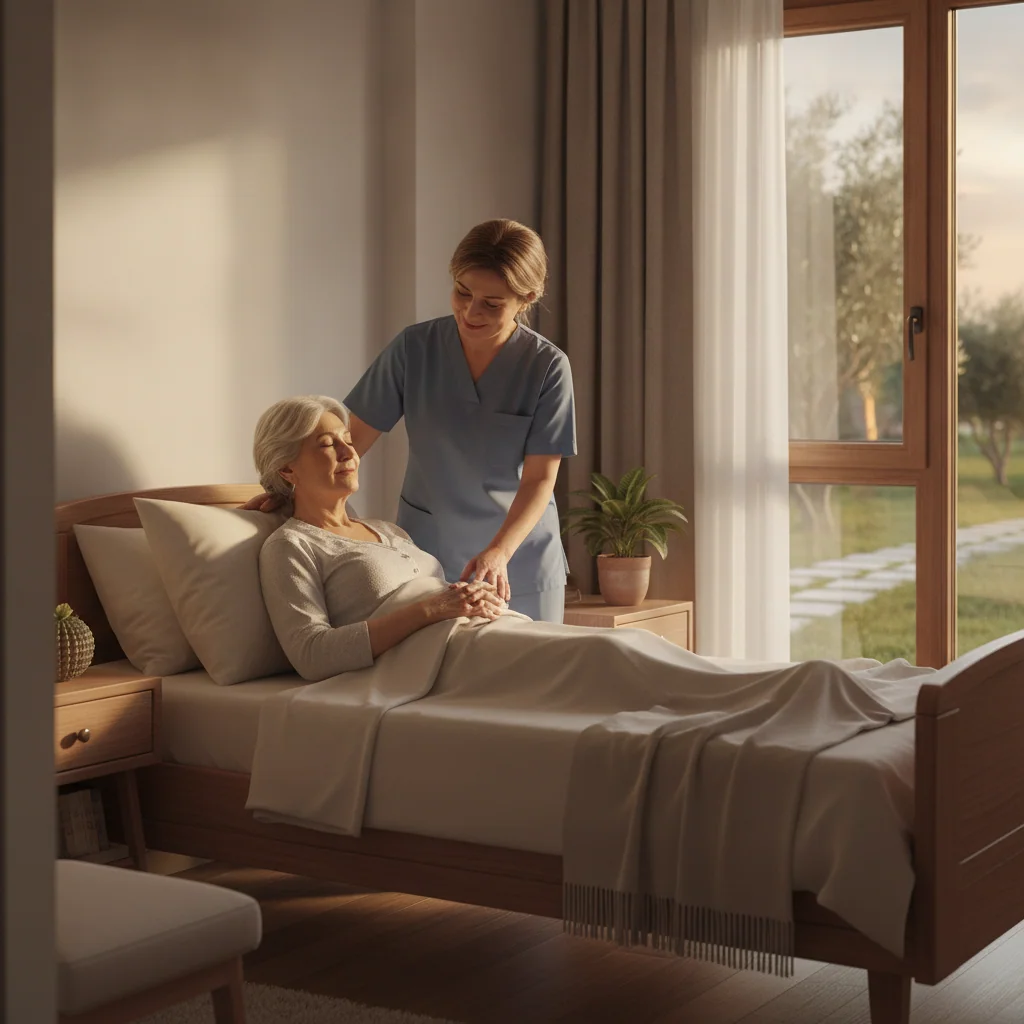
Sleep Problems in the Elderly and Recommendations for Quality Sleep
Noticing that our aging parents cannot sleep at night, wander around the house restlessly towards morning, or constantly doze off during the day is a source of deep anxiety as a child. The disruption of sleep patterns in old age is not just a simple cause of fatigue, but a serious condition that directly affects overall health, cognitive functions, and quality of life. The inability of our family elders to get the restful sleep they deserve at night can lead to daytime irritability, an increased risk of falling, and the triggering of existing chronic diseases. As one of the most researched topics by families during this process, is of vital importance for elderly health and well-being.
Why Do Sleep Patterns Disrupt in the Elderly?
With the aging process, natural changes occur in the circadian rhythm, which is the body's biological clock. However, it is not correct to view every sleep disorder solely as an inevitable consequence of aging. Geriatric specialists state that there are usually multiple physical, psychological, and environmental factors behind insomnia in elderly individuals. Correctly analyzing these factors during elderly care processes represents the first step in creating a treatment and care plan.
Physical discomforts, joint pains, the frequent need to urinate, and shortness of breath cause elderly people's sleep to be interrupted frequently. In addition, neurodegenerative diseases fundamentally shake the sleep architecture. For instance, "sundowning syndrome," which is frequently encountered during dementia care and Alzheimer's care processes, can lead to increased restlessness in the evening hours and the complete disappearance of night sleep. When proper medication management is not applied, the side effects of some medications taken during the day can also make insomnia chronic.
The decline in sleep quality in old age is not just about the duration of night sleep. The shortening of deep sleep stages reduces the brain's capacity to regenerate itself. This paves the way for distraction, loss of balance, and a depressive mood the next day.
What Are the Sleep Problems in the Elderly and Recommendations for Quality Sleep?
There are many strategies that can be implemented at home or in a professional care center to ensure our elderly relatives get uninterrupted and restful sleep at night. Within the scope of Sleep Problems in the Elderly and Recommendations for Quality Sleep, the most effective method is to ensure sleep hygiene and organize daily routines in a disciplined manner.
To establish a quality sleep routine, every detail from daytime activity to nutrition must be meticulously planned. Referencing the scientific methods applied within a professional elderly care home, here are the basic steps you can implement at home:
- Establish a Consistent Bedtime: Ensure the elderly individual goes to bed and wakes up at the same time every day. This routine regulates the body's biological clock.
- Limit Daytime Naps: Long naps during the day cause loss of sleep at night. Limit daytime naps to a maximum of 20-30 minutes and make sure they do not carry over into the afternoon.
- Benefit from Sunlight: Exposure to natural sunlight in the morning and afternoon hours facilitates the transition to sleep at night by regulating melatonin hormone secretion.
- Restrict Caffeine and Heavy Foods: Stop the consumption of stimulating beverages like tea and coffee in the evening. Choose a light and easy-to-digest nutrition program for dinner.
- Encourage Physical Activity: Light walks and exercises that do not strain the joints during the day help the body reach a natural state of fatigue and sleep deeper at night.
How to Improve Sleep Quality in Professional Care Centers?
It is extremely difficult for a single caregiver or working family members to monitor an elderly patient's sleep and general health 24 hours a day in a home environment. For families living in Ankara, the search for an Ankara nursing home and professional support comes into play at this point. A quality care center adopts a multidisciplinary approach to solve the sleep problems of the elderly.
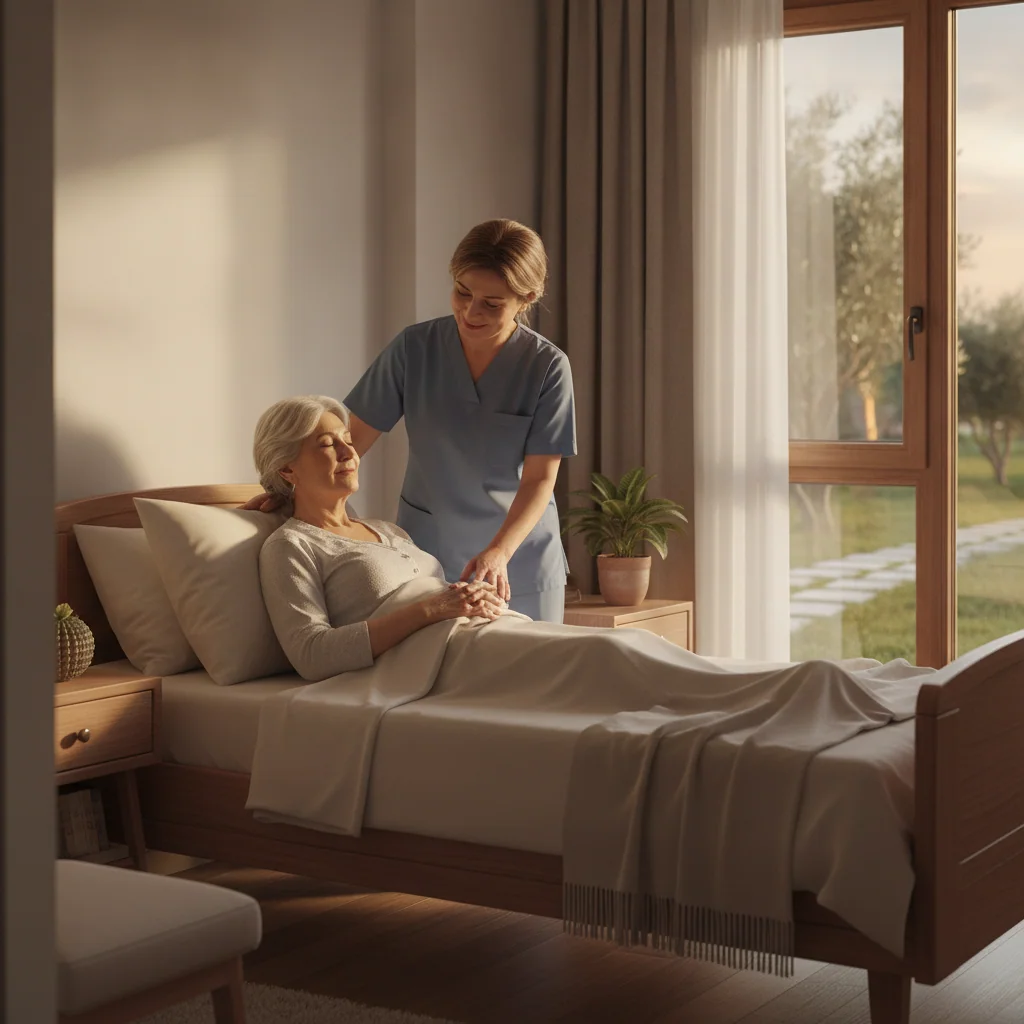
For example, within our institution Yörtürk, which serves in the Yenimahalle nursing home region and holds ministry-approved nursing home standards, a personalized individual care plan is prepared for each resident to improve their sleep quality. Within this plan, we work in coordination with physical therapy and rehabilitation specialists for chronic pains that cause insomnia, preventing pain from interrupting night sleep.
At the same time, thanks to the 24/7 nursing support in our institution, compassionate intervention is immediately provided to our residents who experience interrupted sleep, lose their sense of direction, or become restless during the night. Our night-shift healthcare staff ensures the in-bed safety of our residents while meticulously managing medical parameters that disrupt sleep (blood pressure, blood sugar monitoring, etc.) in a way that causes the least disturbance to their sleep.
Precautions to Be Taken for a Safe Sleep Environment
The physical characteristics of elderly individuals' sleeping areas affect not only their sleep quality but also their vital safety. In order to prevent fall and injury accidents that may occur during night awakenings, safe living environment standards must be fully implemented.
The safety and comfort elements that must be considered in elderly rooms and sleeping areas can be listed as follows:
- Bed Height and Guardrails: The bed height should be at a level where the elderly individual's feet can comfortably touch the floor. Protective barriers with soft edges should be used for patients at risk of falling out of bed.
- Night Lighting: Eye-friendly sensor night lights should be placed to ensure a clear view of the path to the bathroom when getting out of bed.
- Non-Slip Floors: Small rugs, cables, or items that could cause tripping must absolutely not be kept on the room floor; the floor should be covered with non-slip material.
- Emergency Call Systems: There should be bedside and bathroom emergency call buttons so that the elderly individual can easily reach their caregiver or healthcare staff when needed.
- Room Temperature and Humidity Balance: The temperature of the sleeping room should be kept at an average of 20-22 degrees Celsius, and the room should be ventilated regularly during the day.
Frequently Asked Questions
Should sleeping pills be used immediately for insomnia in the elderly?
No, sleeping pills should absolutely not be used in elderly individuals without a doctor's supervision. Many sleeping pills significantly increase the risk of dizziness, loss of balance, and daytime falls in the elderly. First, non-pharmacological methods such as sleep hygiene, increased physical activity, and adjusting medication times should be tried.
How to deal with night insomnia in dementia and Alzheimer's patients?
For these patients, social activities and mental activities during the day are very important. Patients who remain passive and doze off throughout the day do not sleep at night. Gradually reducing the lights in the environment in the evening hours and establishing sleep routines accompanied by calming music will be beneficial. In addition, getting support from the expert staff within a professional Ankara elderly care center is the safest solution.
How is night sleep monitored in nursing homes?
Within a licensed and quality-certified nursing home, periodic room checks are carried out throughout the night. Thanks to bedside nursing and night-shift care staff, respiratory monitoring, position changes (to prevent bedsores), and safely meeting the needs of residents who wake up at night are ensured.
Peaceful Nights and Healthy Tomorrows with Yörtürk Nursing Home
Your loved ones spending sleepless nights at home alone or under inadequate care conditions wears down both their physiological health and causes you to live in constant anxiety. Standing out among the private nursing home Ankara alternatives located in one of the calm and decent districts of Ankara, our institution aims to ensure that our elderly spend the night peacefully and the day actively and happily.
Thanks to the transparent care principles we offer within Yörtürk, our families' minds are always at ease. With our experienced physicians, nurses specialized in geriatric care, and compassionate care staff, we work to maximize the sleep quality of each of our guests. Our residents, who direct their energy correctly both socially and physically through meaningful activities organized throughout the day, enjoy uninterrupted sleep in their comfortable and safe rooms at night.
If you are also struggling to cope with your parent's sleep problems and want to provide them with the professional, medical, and social support they deserve, you can visit our center in Ankara. You can contact us at any time to meet our expert healthcare team, get detailed information about nursing home services, and prepare the most suitable life plan for your loved ones together.