Ways to Communicate Effectively with Dementia Patients
Dementia is a complex process that affects an individual's memory, thinking, and social skills. In this process, having knowledge about the both increases the patient's quality of life and alleviates the psychological burden on the shoulders of their caregiving relatives. In metropolitan areas like Ankara, families trying to provide dementia care to a loved one amidst a busy work schedule and the challenges of city life can sometimes feel helpless and exhausted. To prevent the bond you have established with your loved ones from breaking and to make them feel safe, you need to adapt your communication methods to their changing world. Serving in Ankara, the expert staff of Yörtürk Nursing Home offers professional solutions as the greatest supporter of families in this challenging process.
What Are the Ways to Communicate Effectively with Dementia Patients?
When communicating with an individual diagnosed with dementia, traditional conversation methods may fall short. In the later stages of the disease, difficulty finding words, focus issues, and confusion become more pronounced. Being patient and simplifying communication is the fundamental rule in this process. Among the ways to communicate effectively with dementia patients, the most important is to try to understand the emotions they feel and to look for the logic behind their words.
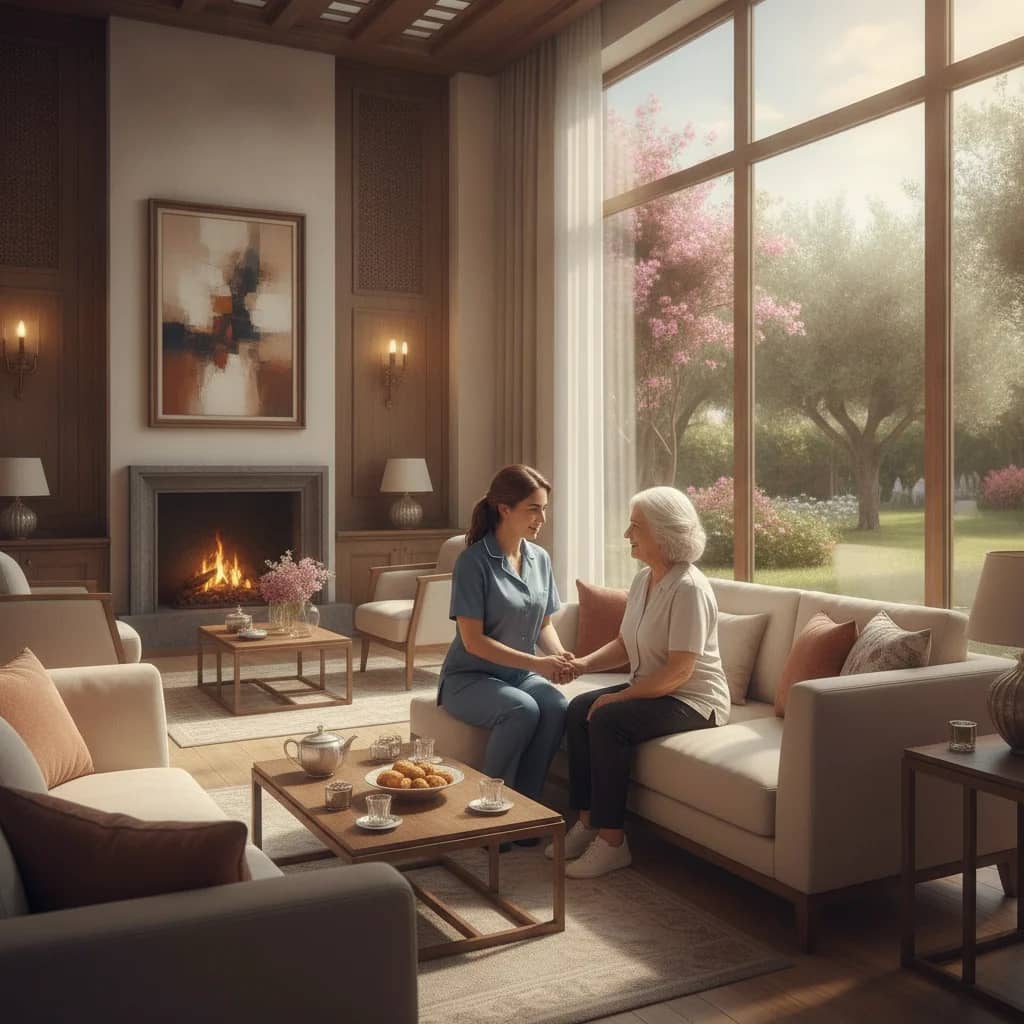
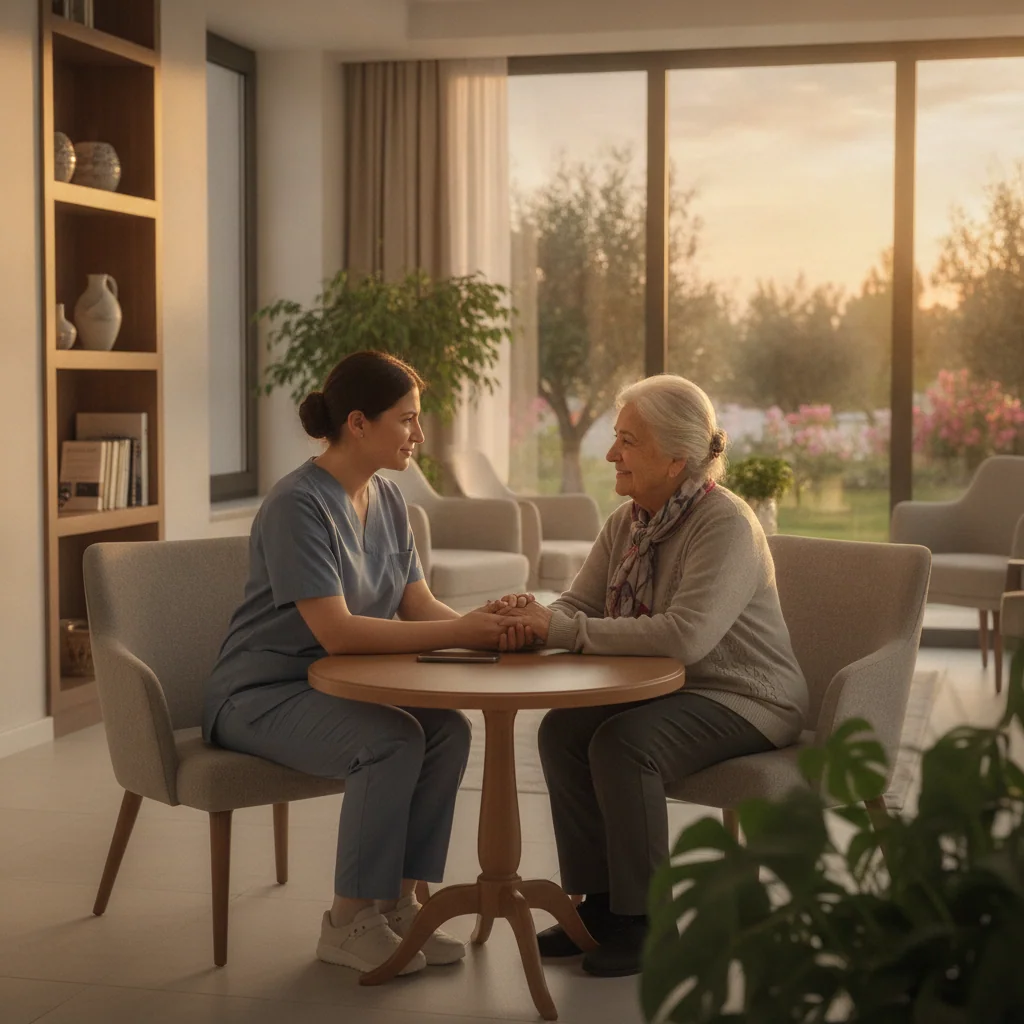
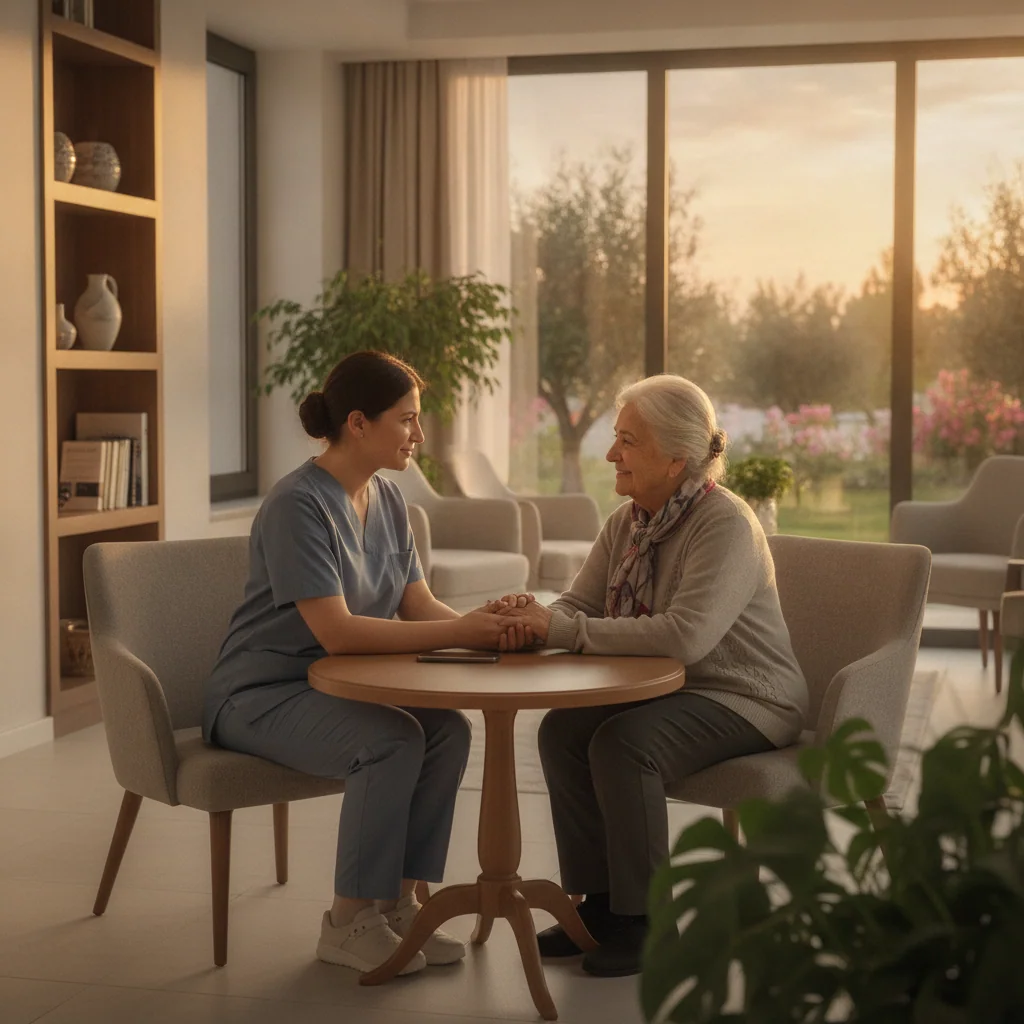
- Make Eye Contact and Get on the Same Level: To get the person's attention, be at the same eye level as them. Standing and speaking from above can create a perception of pressure and threat for the patient.
- Speak Calmly, Slowly, and Clearly: Instead of complex sentences, choose short, clear statements that focus on a single topic. Take care to keep your tone of voice soft and soothing.
- Use Your Body Language Effectively: Dementia patients analyze gestures, facial expressions, and body language faster than words. A smiling facial expression and an open posture make them feel safe.
- Simplify the Questions: Instead of open-ended questions like "What would you like to eat for lunch?", ask multiple-choice questions like "Would you like to have soup or a vegetable dish?".
- Avoid Arguing: When they make unrealistic statements, do not try to correct or convince them. Acknowledging what they say and redirecting their attention to something else is the healthiest approach.
Dementia patients may forget what you said, but they will never forget how you made them feel. The foundation of communication is the compassion and trust they are made to feel, rather than words.
Professional Dementia Care and Communication Strategies
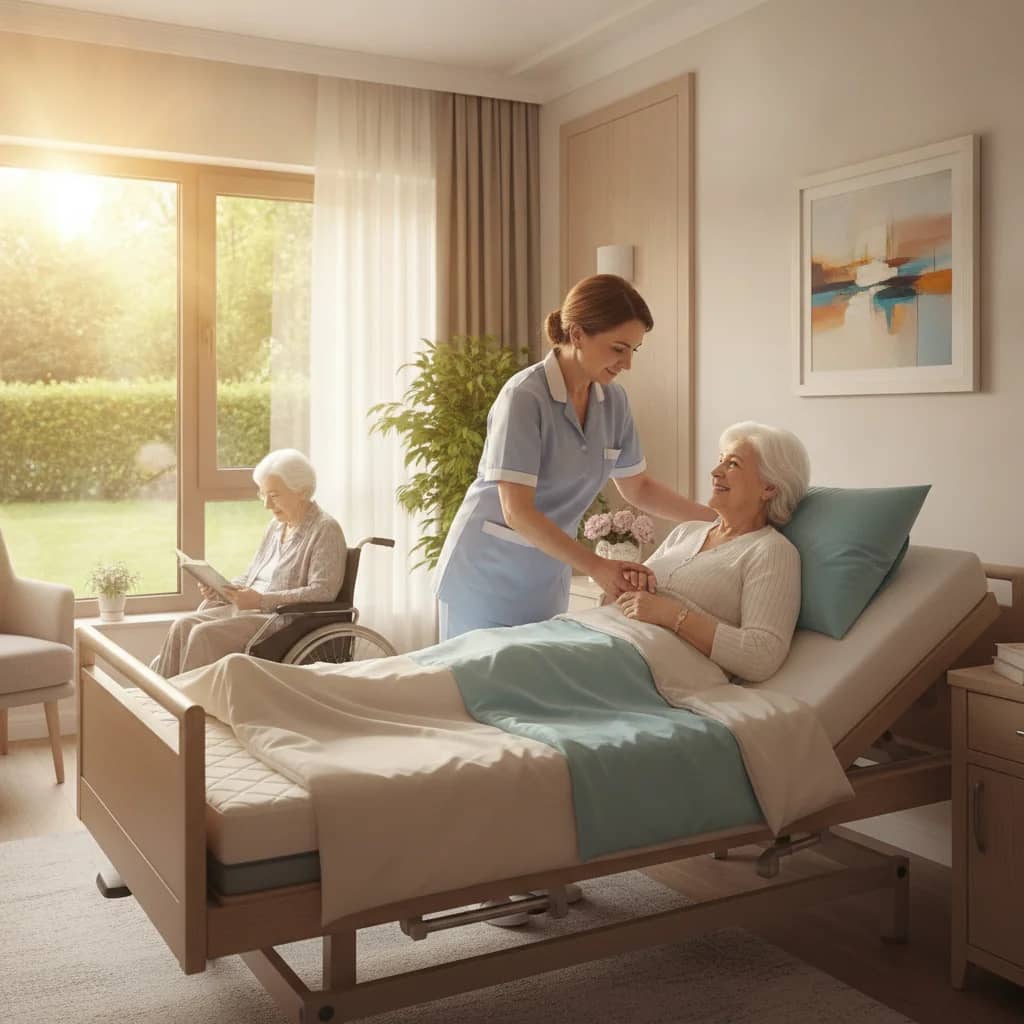
The responsibility of elderly care resting on the shoulders of a single person in a home environment can, after a while, adversely affect the health of both the patient and the caregiver. In particular, communication protocols applied within a professional nursing home help slow down the patient's cognitive decline. When researching private nursing home Ankara options for families in Ankara, the institution's experience in areas requiring special expertise, such as dementia and Alzheimer's, should be questioned. In our facility, which stands out in the Yenimahalle nursing home region, special communication techniques suitable for our residents' cognitive levels are applied.
An expert care center develops a tailored approach for each resident. Thanks to the individualized care plan applied during daily life activities, each patient's past habits, sensitivities, and favorite topics are identified, and communication is shaped accordingly. This approach prevents the patient from becoming aggressive or withdrawn.
Cognitive Support and the Impact of Social Life on Communication
Social isolation in dementia patients is one of the most important factors accelerating the course of the disease. Being together with peers, social activities, and group therapies carried out under expert supervision keep the patient's mental capacity active. A high-quality assisted living facility provides its residents not only with shelter but also with meaningful activities, keeping them connected to life.
- Music therapy and listening sessions for old songs
- Simple handicraft activities and coloring exercises
- Light exercises and group walks
- Reminiscence conversations based on old photographs
- Cognitive games conducted in the company of experts
Such activities help the patient preserve their vocabulary and establish healthier bonds with their environment. Among the Ankara elderly care center alternatives serving throughout Ankara, institutions that offer these activities with clinical discipline should be preferred.
Trust and Quality Standards in Ankara Elderly Care Services
Making the decision to place a loved one in a nursing home is a very challenging process morally and emotionally. However, it should not be forgotten that the medical and social support needed by patients with advanced-stage dementia cannot be fully provided in a home environment by non-professionals. At this point, the reliability of the institution is the most critical factor when making a nursing home choice. Centers with ministry-approved nursing home status are inspected at regular intervals and offer high-standard services.
A reliable elderly health center approaches families with principles of transparent care. The fact that families can make family visits whenever they want and closely monitor their patient's condition reinforces this relationship of trust. Serving as a licensed care institution, Yörtürk possesses all national and international standards that will give families peace of mind.
Frequently Asked Questions: Dementia and Nursing Home Care
What should I do if a dementia patient keeps asking the same thing?
Give short answers with the same calmness every time, as if it were being asked for the first time. Avoid scolding them or saying, "You just asked that." After answering their question, redirect their focus by turning their attention to an object or activity they like.
What is the difference between home dementia care and nursing home care?
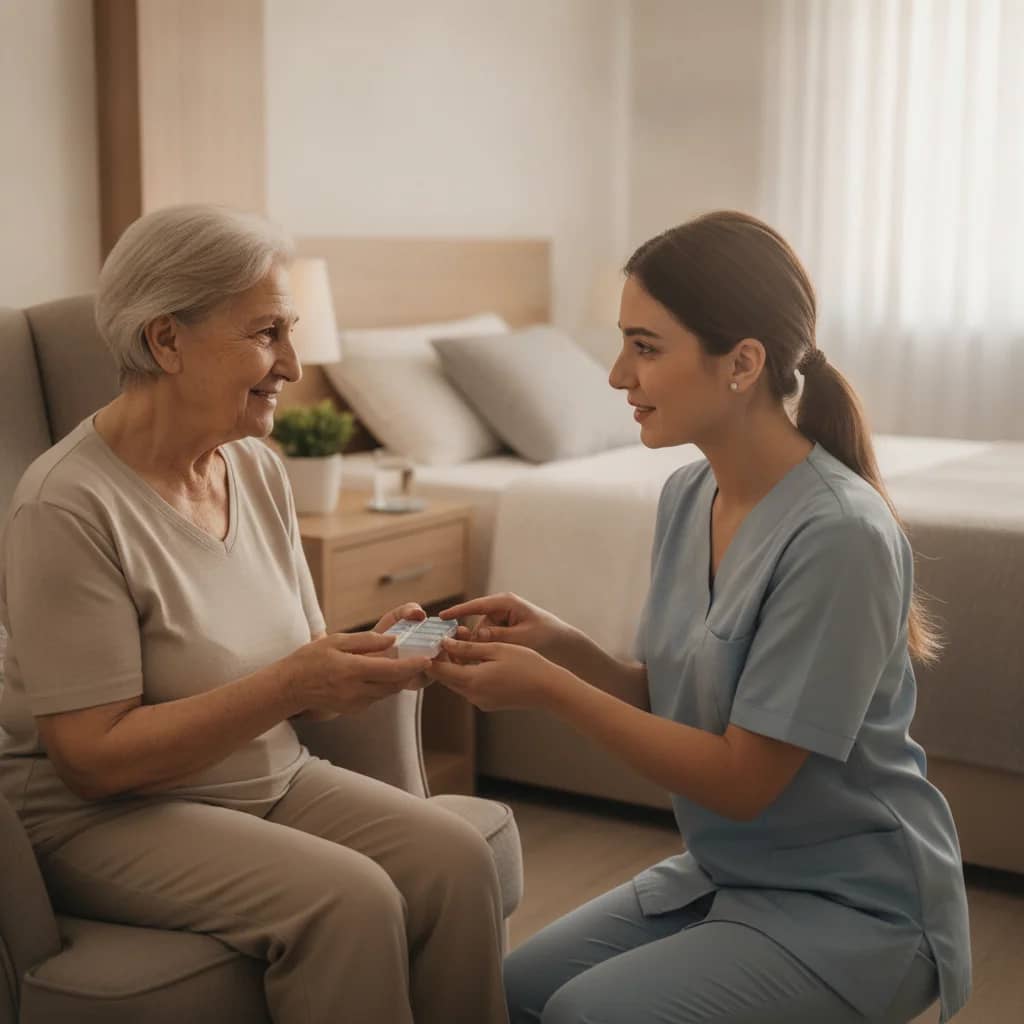
Home care usually pushes the physical and emotional limits of a single person, and professional medical intervention may be delayed. In nursing home Ankara standards, however, 24/7 nursing support, regular medication management, emergency protocols, and geriatric care expertise are offered together, keeping the patient's safety at the maximum level.
Why is a nutrition program important for dementia patients?
As dementia progresses, patients may experience difficulty chewing, swallowing, or they may forget to eat. A custom-prepared nutrition program prevents the patient from losing weight, supports their immune system, and helps maintain their general health status.
Safe Living and Expert Medical Staff with Yörtürk
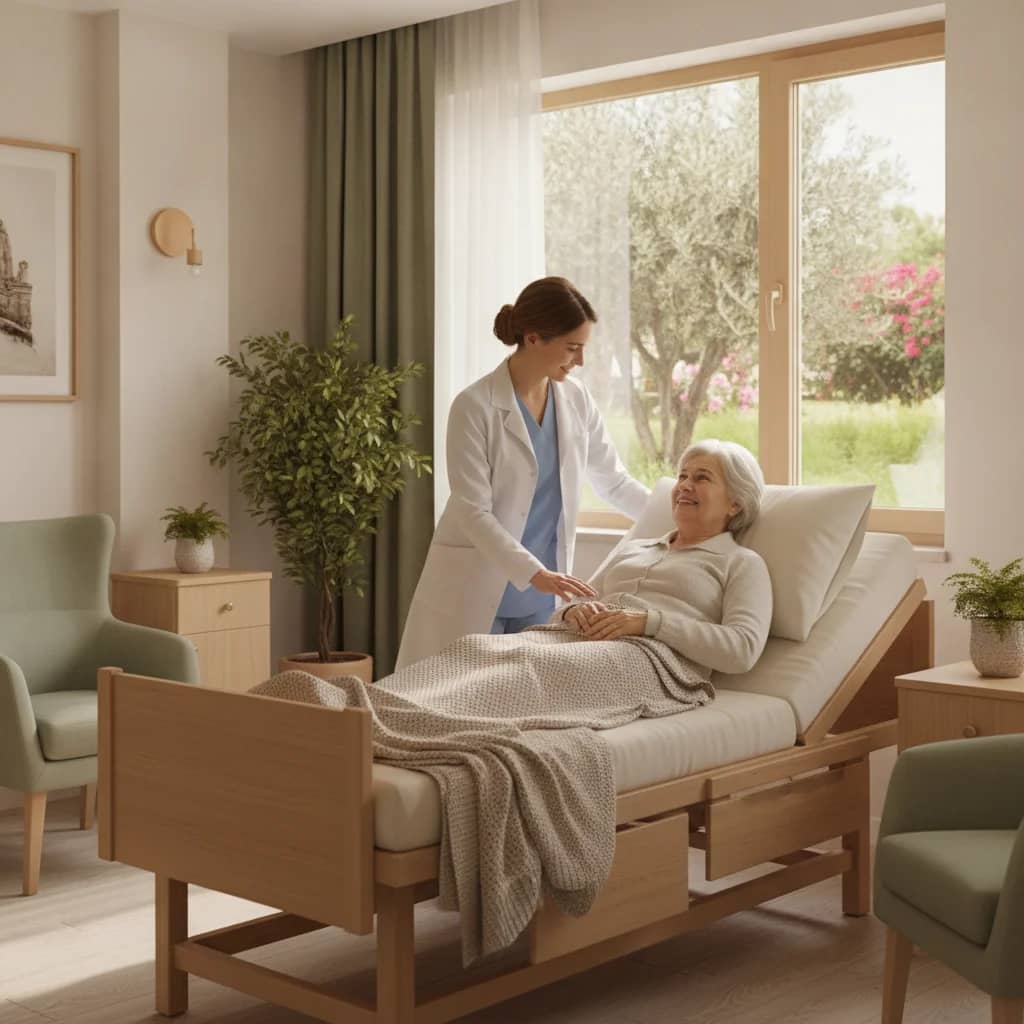
Operating in Ankara, Yörtürk offers the special attention and professional approach that dementia and Alzheimer's patients need under a single roof. The expert medical staff working in our center consists of professionals who are well-versed in geriatric processes and have received special training in communicating with dementia patients. The psychological and social well-being of our residents is monitored just as closely as their physical health.
We offer holistic health services such as palliative care, physical therapy, and rehabilitation for our residents who are discharged from the hospital or have chronic illnesses. Thanks to the uninterrupted 24/7 nursing support that continues day and night, all kinds of medical parameters are kept under control. You can visit our center in Ankara to see the respectable, comfortable, and safe living environment your loved ones deserve, and get detailed information from our experts.