Urinary Incontinence in the Elderly and Care Approach
Preserving the quality of life of our aging parents and offering them the comfort they deserve is one of our greatest responsibilities as children. However, the aging process can become exhausting for both the elderly individual and their family due to some accompanying physiological challenges. One of the most sensitive issues, which is often hesitated to be spoken aloud, is the problem of urinary incontinence. For families who undertake the care of their elderly relatives, this situation can turn into a process that is difficult to manage both hygienically and psychologically. At this point, having the right information about and establishing a professional support mechanism is of vital importance for both elderly health and family peace. Our institution, which has been serving in this field for many years in Ankara, analyzes the anxieties experienced by families in this sensitive process very well and offers tailored solutions for each guest.
What is Urinary Incontinence and Why is it Common in the Elderly?
Urinary incontinence, medically known as urinary incontinence, is the loss of bladder control and involuntary leakage of urine. Although it is commonly thought in society that this is an inevitable and natural consequence of aging, it is actually an elderly health issue that needs to be treated or managed with professional methods. Decreased muscle tone, nervous system damage, and chronic diseases in elderly individuals trigger this condition. As a care center serving throughout Ankara, the management of this physical inadequacy is one of the issues that families applying to our center struggle with the most and feel guilty about.
Caring for an elderly person experiencing urinary incontinence in a home environment can, after a while, lead to inadequate hygiene conditions, skin wounds, and most importantly, deep depression in the elderly individual. Multidisciplinary approaches applied within a professional nursing home aim to preserve the dignity and quality of life of the elderly by successfully managing both the medical and psychological dimensions of this process.
Types of Incontinence and Their Effects on Elderly Health
Not every urinary incontinence case is the same, and each requires a different individualized care plan. For a correct intervention, the type of incontinence experienced by the elderly person must first be diagnosed accurately. The most common types of incontinence encountered in geriatric care processes are:
- Stress Incontinence: Leakage that occurs when sudden pressure is exerted on the bladder, such as coughing, sneezing, laughing, or heavy lifting.
- Urge Incontinence (Overactive Bladder): Involuntary loss of urine associated with a sudden, strong, and unstoppable urge to urinate. It is usually associated with urinary tract infections or neurological disorders.
- Overflow Incontinence: Continuous dribbling of urine due to the bladder's inability to empty completely, exceeding its capacity.
- Functional Incontinence: The inability to reach the toilet in time due to physical or mental disabilities of the elderly person (for example, severe osteoarthritis, difficulty walking, or the need for advanced-stage dementia care).
Urinary incontinence in old age is not just a physical ailment, but a psychosocial crisis that leads to isolation from social life, loss of self-confidence, and serious depression. Overcoming this crisis is only possible with a systematic care plan implemented by a compassionate and expert staff.
Urinary Incontinence Treatment and Care Standards in a Professional Nursing Home
A high-quality elderly care home does not view the problem of urinary incontinence as merely using adult diapers. In combating this problem, a multi-faceted protocol in line with current guidelines accepted by the medical world must be applied. In institutions serving at ministry-approved nursing home standards, a comprehensive geriatric assessment is performed first for each guest. During this process, temporary causes underlying urinary incontinence (infections, constipation, side effects of medications used, etc.) are ruled out.

For families looking for a Yenimahalle nursing home located in one of the quiet and peaceful districts of Ankara, Yörtürk Nursing Home and Elderly Care Center offers this medical follow-up at the highest level. In our institution, our guests' daily fluid intake hours are regulated, personalized toilet training programs (timed voiding protocols) are implemented, and light exercises to strengthen pelvic floor muscles are carried out accompanied by expert physiotherapists.
5 Golden Rules for Urinary Incontinence in the Elderly and Care Approach
The basic care steps implemented by our professional teams, which can also guide family caregivers at home, are as follows:
- Personalized Fluid and Nutrition Program: While ensuring the elderly person gets enough water during the day, fluid intake is limited after evening hours to prevent nighttime incontinence. Caffeine, acidic, and spicy foods are kept away from the diet program as they irritate the bladder.
- Protection of Skin Health and Barrier Creams: Contact of urine with the skin quickly leads to diaper rash and bedsores (pressure ulcers). Therefore, after every wetness, the skin should be cleaned with cleansers suitable for skin pH balance, dried, and protective barrier creams should be used.
- 24/7 Nursing Support and Medication Management: It is of vital importance that medications prescribed by the doctor for urinary incontinence are given at the right time and dose, and their side effects are observed.
- Easily Accessible and Safe Living Environment: Keeping the path from the elderly person's room to the toilet free of obstacles and using motion-sensor lighting at night reduces functional incontinence.
- Psychological Support and Empathy: An elderly individual experiencing urinary incontinence feels shame and guilt. Care staff or family relatives should never display a judgmental, weary, or angry attitude, and should make them feel that this is a medical process.
Choosing the Right Nursing Home: A Safe Haven in Ankara
If your parent has a health problem like urinary incontinence that requires continuous and sensitive monitoring, a single caregiver at home or working family members shouldering this burden will lead to burnout after a while. At this stage, considering a professional Ankara elderly care center option is the right decision for both your parent's health and the quality of the time you will spend with them. When choosing a quality private nursing home in Ankara, it should be questioned whether the institution offers active healthcare services, not just accommodation.
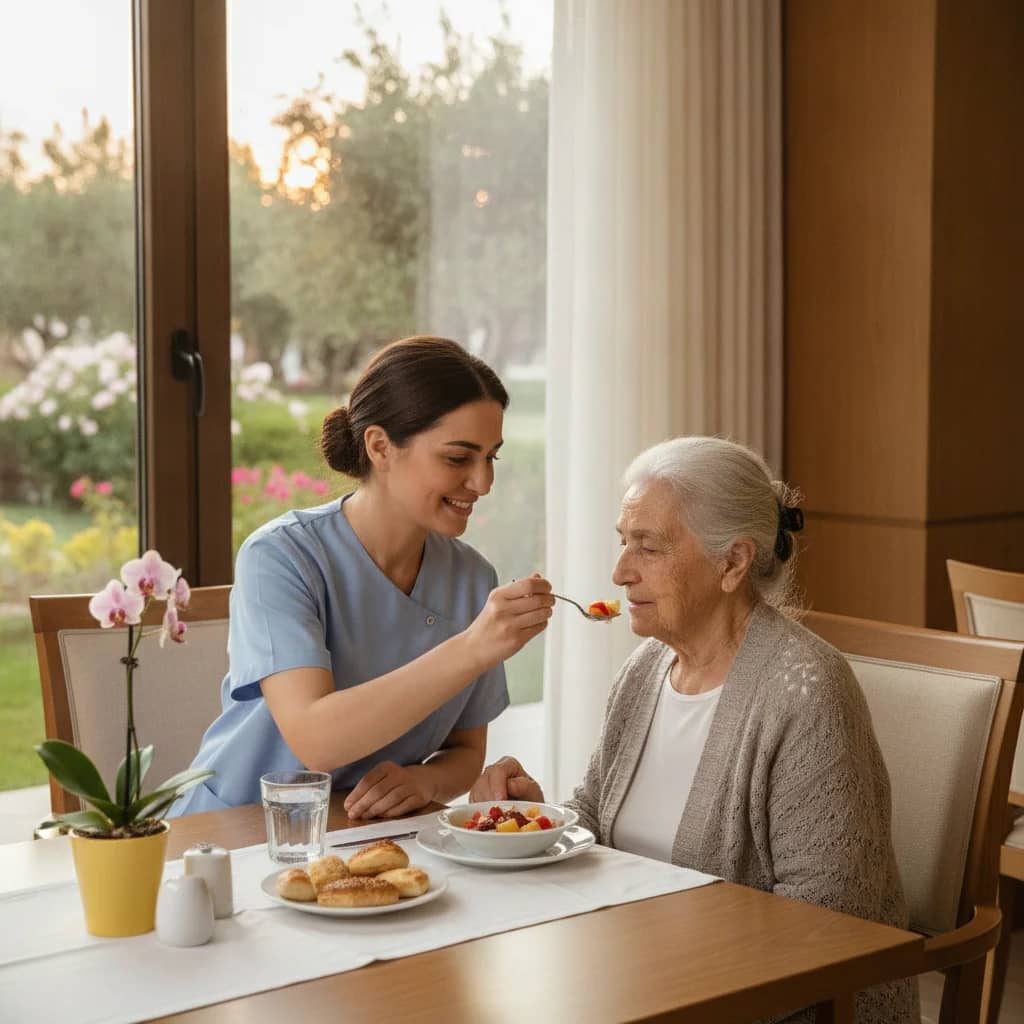
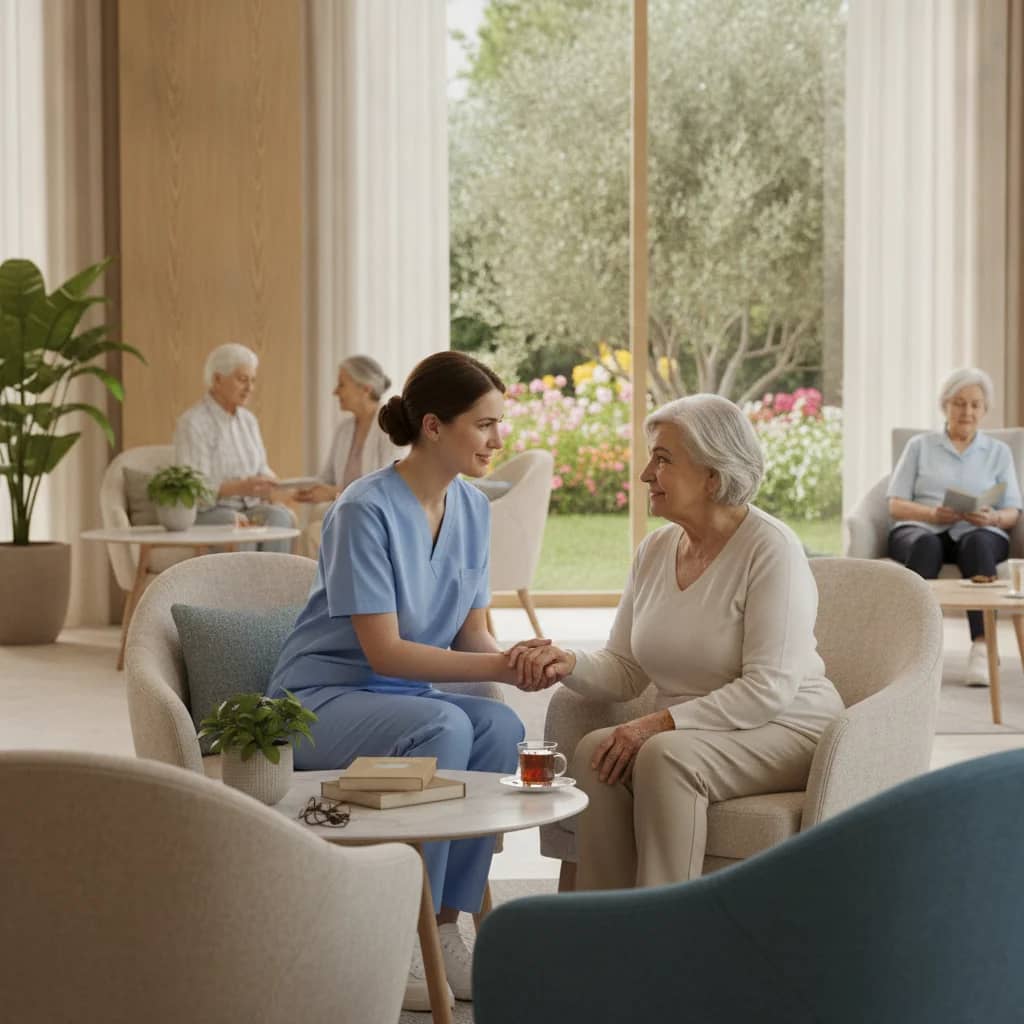
Thanks to the 24/7 nursing support we offer within Yörtürk, the diaper changes, skin care, and medication follow-ups of our guests experiencing urinary incontinence are carried out professionally without any disruption. With the responsibility of being a licensed care institution, the services we offer under supervised care standards ensure that families do not have to worry. We do not only meet the physical needs of our guests, but we also protect them from isolation by keeping them involved in social life through the social events and meaningful activities we organize.
Frequently Asked Questions About Urinary Incontinence in the Elderly
Is urinary incontinence a natural consequence of old age, can it be treated?
No, urinary incontinence is not a natural consequence of aging. It is a medical condition that can be treated at any age or controlled with correct care approaches, medication management, and muscle exercises.
I am struggling to care for my elderly relative with urinary incontinence at home, what should I do?
This process is very exhausting both physically and psychologically. By getting support from professional institutions like Yörtürk, which offers an expert medical staff and 24-hour medical supervision at certified quality nursing home standards, you can both increase your relative's quality of life and put your own life in order.
How is the hygiene of elderly people with urinary incontinence maintained in the nursing home?
A special hygiene and skin protection protocol is applied for each guest in our institution. Regular checks are made by our expert caregivers and nurses, and skin cleanliness is ensured with special medical products, preventing the formation of diaper rash and bedsores.
If you want your parent or a loved relative to go through the Urinary Incontinence in the Elderly and Care Approach process in the most respectful, comfortable, and healthy way, you can visit our Yörtürk Nursing Home and Elderly Care Center located in Yenimahalle, Ankara at any time, examine our transparent care standards on-site, and get detailed information from our expert team.