
Daily Care and Nutrition for Parkinson's Patients
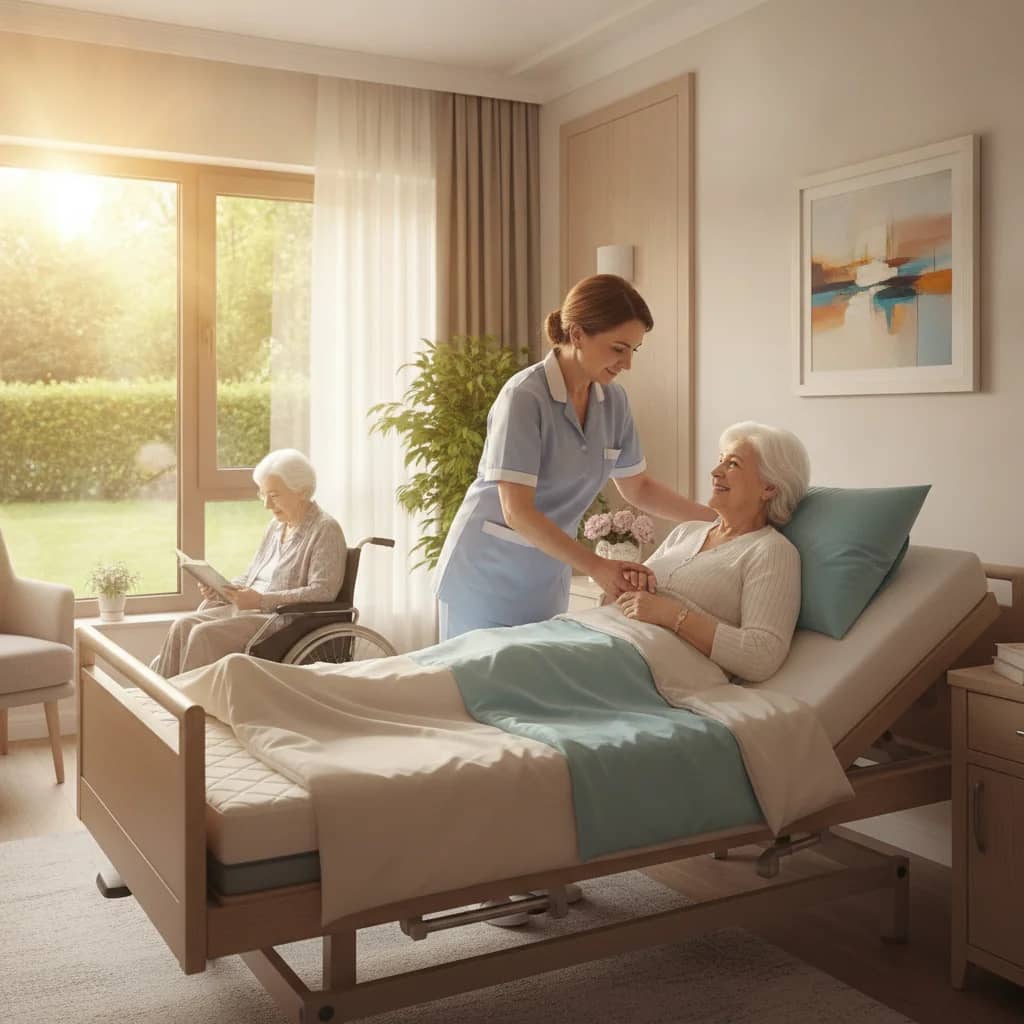
Parkinson's disease, which presents one of the most complex clinical pictures of neurodegenerative processes, is a journey that radically changes the lives of both the individual and the family members accompanying them. In this process, professional approaches are needed to preserve the quality of life of elderly family members, slow down the loss of motor skills, and provide a safe living space. is not limited to meeting physical needs; it also demands a multidisciplinary health approach, a meticulous nutrition program, and continuous medical monitoring. Serving in the prominent, peaceful, and green areas of Ankara, Ankara elderly care center alternatives develop modern solutions to ease this heavy caregiving burden on families and offer their loved ones the comfortable life they deserve.
Supporting Motor Skills in the Process of Daily Care and Nutrition for Parkinson's Patients
Parkinson's is a progressive disease characterized by the loss of dopamine-producing cells in the brain, manifesting with tremors, muscle stiffness (rigidity), and slowness of movement (bradykinesia). Preserving the patient's independence during daily life activities for as long as possible is achievable through correct rehabilitation and living space arrangements. Every detail, from getting out of bed to dressing, bathing habits, and indoor mobility, must be planned to minimize the risk of falls.
The majority of fall incidents in Parkinson's patients occur during 'off' periods when the medication's effect diminishes, and at moments when environmental factors like wet floors are insufficiently controlled. Therefore, every corner of the living space should be designed in accordance with mobility limitations.
Within a professional nursing home, personalized physical therapy processes are implemented to preserve patients' motor skills. Daily walking exercises, balance training, and range-of-motion exercises play a critical role in alleviating pain caused by muscle stiffness. Physical therapy and rehabilitation programs should be flexibly adjusted under the guidance of expert physiotherapists, according to the patient's energy level and symptom severity on that day.
Managing Swallowing Difficulty and Aspiration Risk in the Nutritional Regimen
One of the most common and life-threatening conditions encountered in the advanced stages of the disease is swallowing difficulty (dysphagia). The weakening of the swallowing reflex can lead to aspiration—known as food entering the windpipe—and subsequent lung infections (aspiration pneumonia). Therefore, when planning the daily care and nutrition of a Parkinson's patient, the consistency of food, the patient's sitting position, and feeding times must be meticulously monitored.
During mealtimes, the patient must be seated in an upright position (90 degrees), and this position should be maintained for at least half an hour after the meal is finished. Swallowing liquid foods can sometimes be more difficult than solid foods; in such cases, medical thickeners are used to reduce the risk of liquids entering the airway. In addition, special pureed or soft-textured menus suitable for the patient's chewing capacity should be prepared.

Nutritional Recommendations for Parkinson's Patients Experiencing Swallowing Difficulty
- Meals should be served in small portions, at frequent intervals, and without rushing the patient.
- Instead of very hot or very cold foods, warm foods should be preferred to stimulate the swallowing reflex.
- When preparing the nutrition program, the consistency of liquids should be brought to a yogurt or pudding consistency using medical thickeners.
- The patient should not be distracted during meals; stimulants like the television should be turned off to ensure they focus solely on chewing and swallowing.
The Delicate Balance of Medication Management and Protein Interaction
The efficacy of levodopa-containing medications, considered the gold standard in Parkinson's treatment, is directly related to dietary habits. Amino acids, the building blocks of protein, are absorbed from the intestines using the same transport system as levodopa. This prevents the absorption of medications taken with high-protein foods, making it difficult for the drug to reach the brain and causing motor blockages. Managing this complex process requires professional medication management and dietary planning.
The secret to success in disease management is leaving the correct time gaps between medication hours and main meals. It is generally recommended to take medications with plenty of water at least 30-45 minutes before or 2 hours after meals. Daily protein requirements should not be completely restricted; however, protein consumption should be shifted mainly to evening meals to aim for maximum medication efficacy during active daytime hours.
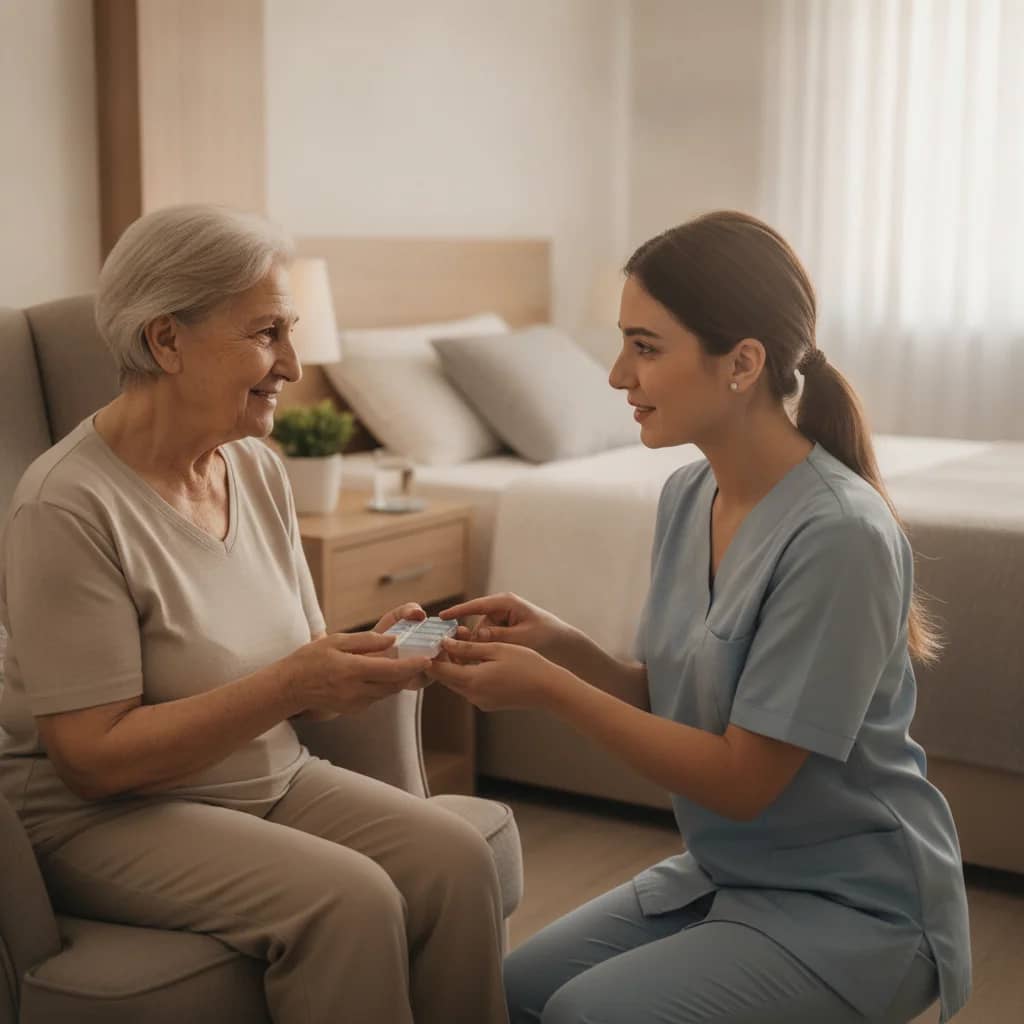
- Determining Medication Hours: Dosage times determined by the geriatrician and neurologist must be applied down to the minute, and the patient's 'on/off' periods must be recorded.
- Meal Timing: Breakfast and lunch menus should feature carbohydrate- and fiber-rich foods, while protein content should be saved for dinner.
- Fluid Consumption: To accelerate the absorption of medications, each dose should be consumed with at least one full glass of water.
- Constipation Control: Since a slowing digestive system delays drug absorption, bowel movements should be supported with high-fiber foods and plenty of water.
Professional Approach for Parkinson's Patients at Yorturk Nursing Home
Operating in the Yenimahalle district, known for its peaceful structure in touch with nature and away from the chaos of Ankara, Yorturk Nursing Home meets the complex care requirements of Parkinson's patients to high standards. Under the supervision of the Republic of Turkey Ministry of Family and Social Services, our institution, which serves with ministry-approved nursing home status, offers customized multidisciplinary care models for each of its residents. For families looking for a reliable care home in Ankara, Yorturk is not just a place to stay, but a fully equipped living center where 24-hour continuous medical monitoring is provided.
The expert healthcare staff working at our institution closely monitors the drug-protein interactions of Parkinson's patients and prepares personalized diet programs under the supervision of a dietitian. Thanks to the 24/7 nursing support that continues uninterrupted day and night, patients' vital signs, medication compliance, and potential swallowing complications are immediately detected and addressed. In addition, our residents' joint mobility is maintained at a maximum level through individual exercise programs implemented in our physical therapy and rehabilitation halls.
Frequently Asked Questions in Parkinson's Care
How is the problem of constipation in Parkinson's patients resolved through nutrition?
Since the autonomic nervous system is affected in Parkinson's patients, bowel movements slow down. To prevent this situation, foods high in fiber, vegetable dishes with olive oil, oatmeal, and probiotic yogurts should be added to the nutrition program. Daily fluid consumption should be ensured to be at least 1.5-2 liters, and light walks should be encouraged as much as mobility allows.
What should care staff do during 'off' periods when medications are not effective?
During periods when the effect of the medication decreases, spasms and the feeling of inability to move (freezing) increase in the patient. Trying to force the patient to walk at these moments increases the risk of falling. Care staff should calm the patient down, place them in a safe chair, wait for the muscle spasms to pass with deep breathing exercises, and record the situation in the bedside nursing and follow-up logs.
What kind of social activities are organized for Parkinson's patients in the nursing home?
Social isolation and depression are psychological problems that progress as rapidly as motor skill loss in Parkinson's patients. Within a high-quality private nursing home in Ankara, social activities such as crafts that support fine motor skills, rhythm studies, group therapies, and music recitals are organized. These activities naturally support dopamine secretion, strengthening the patient's attachment to life and cognitive functions.
A Safe Living Space and Professional Supervision Standard
Managing a dynamic and progressive disease like Parkinson's in a home environment with a single caregiver or family member leads to both physical and psychological exhaustion (burnout syndrome) after a while. A professional elderly care organization combines all the medical disciplines the patient needs under one roof. Every detail, from the floor coverings of the rooms to the grab bars in the bathrooms, from the support rails in the corridors to the emergency call systems, is designed according to safe living environment standards where our residents can move independently.
At Yorturk, the cognitive and physical status of each resident is evaluated at regular intervals to create an individual care plan. This plan is updated in adherence to geriatric care principles. This transparent care model, which gives peace of mind to families, is supported by weekly health reporting and uninterrupted family visit opportunities. Ensuring your loved ones continue their lives in safe hands, under expert supervision, and in a social environment both increases their quality of life and allows families to fulfill their moral obligations with peace of mind.