How to Resolve Loss of Appetite and Nutritional Problems in the Elderly?
Seeing your aging parents eating less day by day, seeing the portions on their plates returned almost untouched, and watching them lose weight rapidly is extremely worrying for a child. Having even the most delicious meals you prepare at home with your own means turned down can create a sense of inadequacy and helplessness within the family. So, This situation, which emerges during old age, is not just a simple loss of appetite; it is a serious elderly health problem that harbors physiological, psychological, and neurological causes behind it. Managing this process, which can lead to the collapse of the immune system, muscle loss, and the triggering of chronic diseases when not intervened correctly, requires a professional elderly care discipline.
How to Resolve Loss of Appetite and Nutritional Problems in the Elderly? Understanding the Physiological Causes
The biological changes that occur in the body with the aging process directly affect eating habits. The weakening of the senses of smell and taste in elderly individuals causes food to be perceived as tasteless. In addition, decreased saliva secretion, chewing and swallowing difficulties (dysphagia), and the slowing of the digestive system trigger a loss of appetite. Tooth loss or ill-fitting dentures also lead the elderly to avoid hard foods and turn to a single type of diet.
From a medical perspective, multiple drug use (polypharmacy) is one of the biggest hidden causes of appetite loss. Many heart, blood pressure, or diabetes medications cause dry mouth and a metallic taste. At this point, it becomes difficult to monitor the nutrition of an elderly loved one living alone at home. For families in and around Ankara, the search for an ankara elderly care center arises precisely from the need for these complex medical processes to be managed by professionals. Medication hours and side-effect monitoring controlled by experts are the first critical steps in preventing appetite loss.
The Risks of Nutritional Deficiency (Malnutrition) on Elderly Health
Inadequate nutrition in the geriatric population is medically referred to as malnutrition and carries vital risks. In elderly individuals who do not receive enough protein, vitamins, and minerals, muscle mass decreases rapidly (sarcopenia). This situation paves the way for loss of balance, frequent falls, and bone fractures. In addition, with the weakening of the immune system, susceptibility to infections increases, and the healing of wounds on the body is delayed.
Inadequate nutrition in old age does not just mean weight loss; it means the slowing of organ functions, the decline of cognitive skills, and the collapse of the body's defense mechanisms. Therefore, nutritional monitoring is a vital medical process, at least as crucial as drug therapy.
Particularly in bedridden individuals or those with limited mobility, inadequate nutrition accelerates the formation of bedsores (decubitus ulcers). At this stage, clinical support provided within a professional nursing home ankara is of vital importance. A process managed by expert dietitians and staff experienced in the field of geriatrics directly raises the standards of elderly well-being.
Step-by-Step Nutritional Strategies for Elderly Individuals with Loss of Appetite
Whether in a home environment or a professional institution, there are practical and scientific methods that should be applied when seeking an answer to the question of How to Resolve Loss of Appetite and Nutritional Problems in the Elderly? To increase the nutritional quality of the elderly individual, the following steps should be followed:
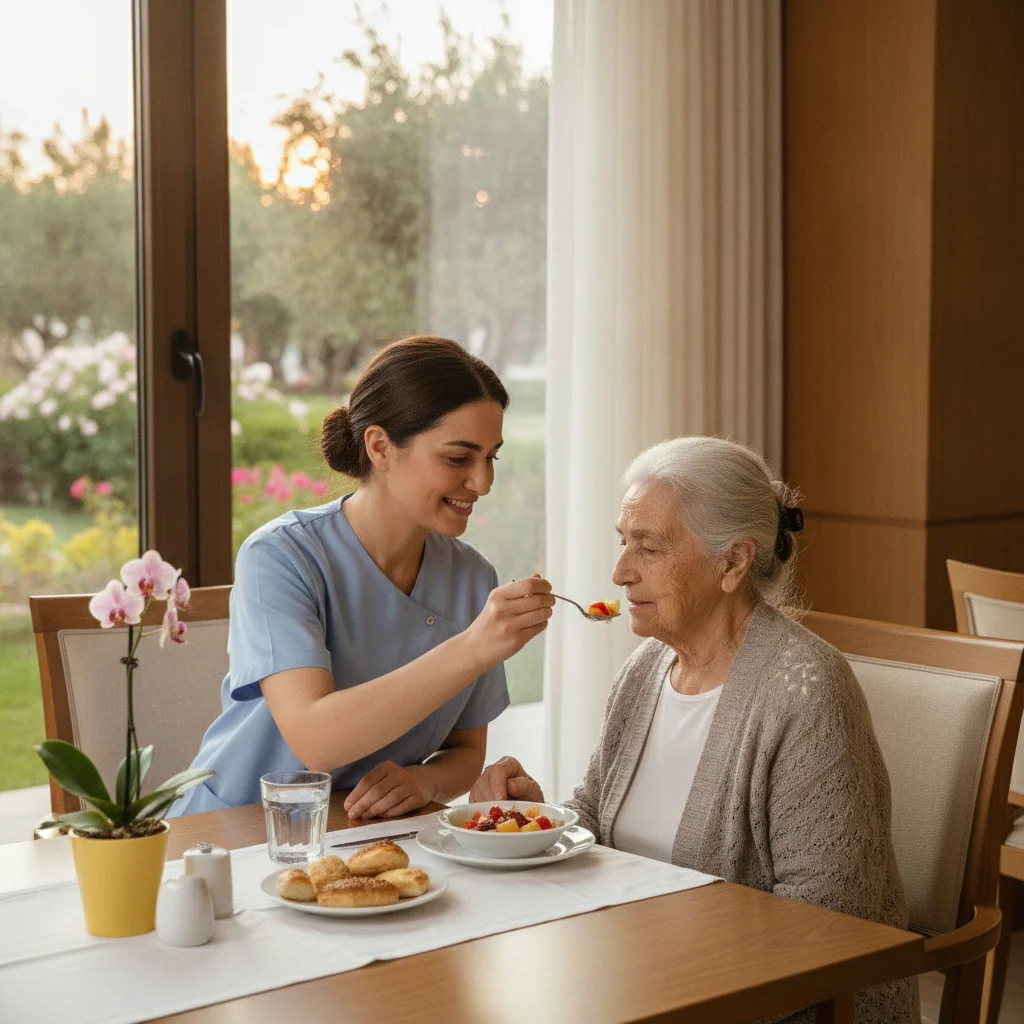
- Reduce Portions, Increase the Number of Meals: Large plates full of food create weariness and psychological pressure on the elderly individual. Instead, small but highly nutritious portions should be offered in the form of 3 main meals and 3 snacks spread throughout the day.
- Increase Nutrient Density: Every bite taken by an elderly person who eats little must have high nutritional value. It is beneficial to add bone broth to their soups, mix olive oil or butter into their purees, and include natural protein sources in meals instead of protein powders.
- Provide Ease of Swallowing and Chewing: For the elderly who have difficulty chewing solid foods, meals should be prepared as purees, smoothies, or in a soft consistency (such as baked vegetables, meatballs, pudding).
- Spread Fluid Consumption Between Meals: Water or soup drunk during meals quickly fills the stomach of the elderly individual, leaving no room for solid foods. Fluid intake should be supported half an hour before or after meals.
How is Nutrition and Health Monitoring Conducted in Professional Care Centers?
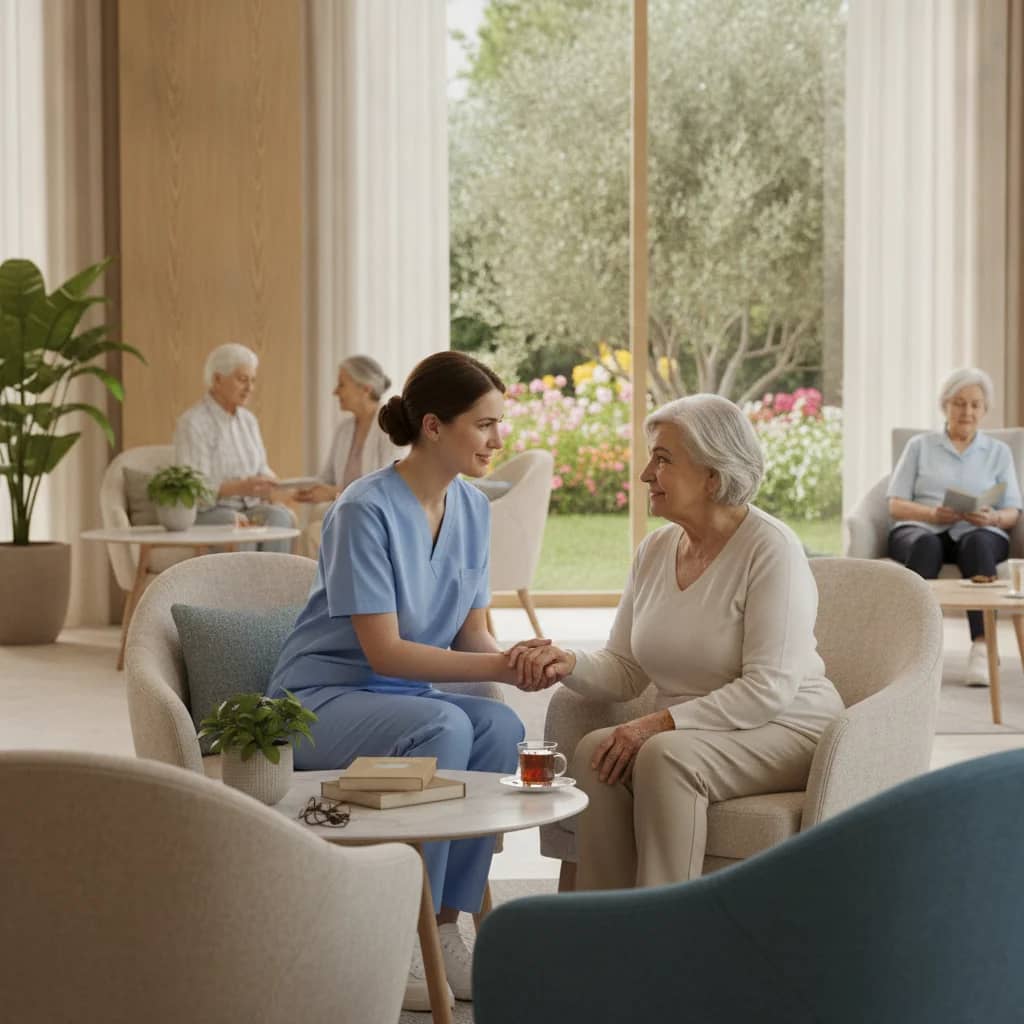
For family caregivers at home, preparing special menus every day, calculating calories, and convincing the elderly individual to eat can become exhausting over time. In this process, ministry-approved nursing homes and similar professional organizations step in. A quality elderly care home does not view the nutritional processes of its residents merely as a food service; it treats it as a multidisciplinary healthcare service.
For example, within Yörtürk Nursing Home and Elderly Care Center, one of Ankara's distinguished institutions, a detailed health screening is conducted for each elderly resident during the initial admission phase. In line with this screening, a personalized nutrition program is prepared. These menus, prepared by taking chronic diseases (diabetes, blood pressure, kidney failure, etc.) into consideration, are meticulously balanced in terms of calories and nutritional value by expert dietitians.
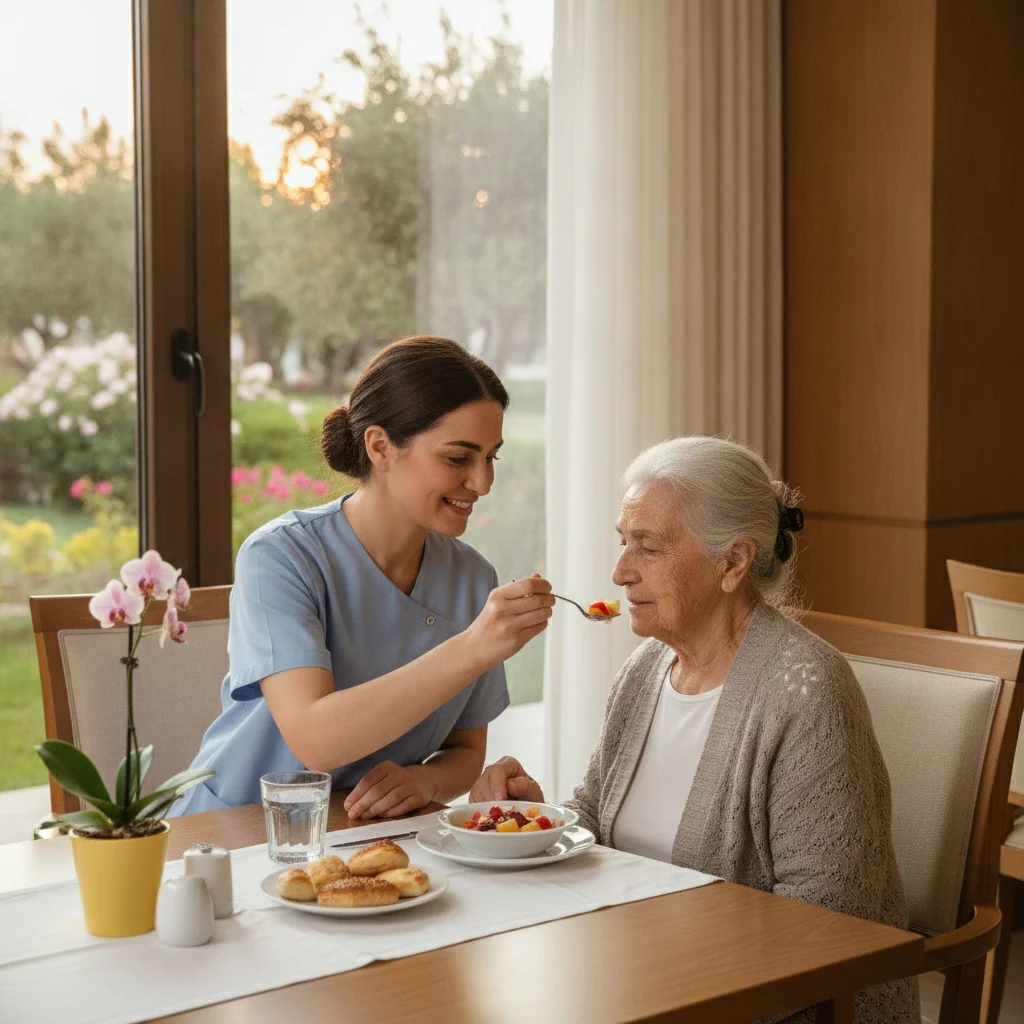
In addition, for residents who need physical support during the eating process, bedside nursing and experienced caregiver support are provided. It is ensured that the individual is fed in the correct position so they can swallow their food safely and to prevent the risk of aspiration (food entering the lungs). This level of supervision is only possible in an institution with high supervised care standards that offers expert healthcare staff and 24/7 nursing support.
Frequently Asked Questions About Nutritional Problems in the Elderly
My elderly parent does not want to eat at all, should I force them to eat?
Absolutely not. Forcing an elderly individual to eat can lead to psychological reactions, anger outbursts, and life-threatening dangers such as food entering the windpipe during swallowing. Instead, the physical (toothache, constipation, drug side effects) or psychological causes underlying the loss of appetite should be investigated, and food should be presented in a more appealing and easily consumable form.
How are nutritional problems overcome in Alzheimer's and dementia patients?
Individuals experiencing cognitive decline may forget to eat or may not identify the objects on the plate as food. In Alzheimer's care and dementia care processes, using plain plates that will not distract attention, offering a single type of food, and preparing foods that can be eaten by hand (finger foods) make the process easier.
When should nutritional solutions (medical formulas) be used?
In elderly individuals who cannot meet their daily calorie and protein needs through natural means and are experiencing rapid weight loss, medical nutritional supports (formulas) can be used under the supervision of a geriatrician or physician. These products should not be consumed on their own, but as an addition to daily nutrition and with a doctor's prescription.
Increase Quality of Life with the Right Nursing Home Choice
For families struggling to cope with the nutritional problems of their elderly relatives, making a professional nursing home choice is the right decision for both the health of the elderly individual and the peace of mind of the family. Operating in the Ankara Yenimahalle region and holding the status of a licensed care institution, Yörtürk Nursing Home aims to fully meet not only the physical nutrition of our elderly but also their mental and social needs.
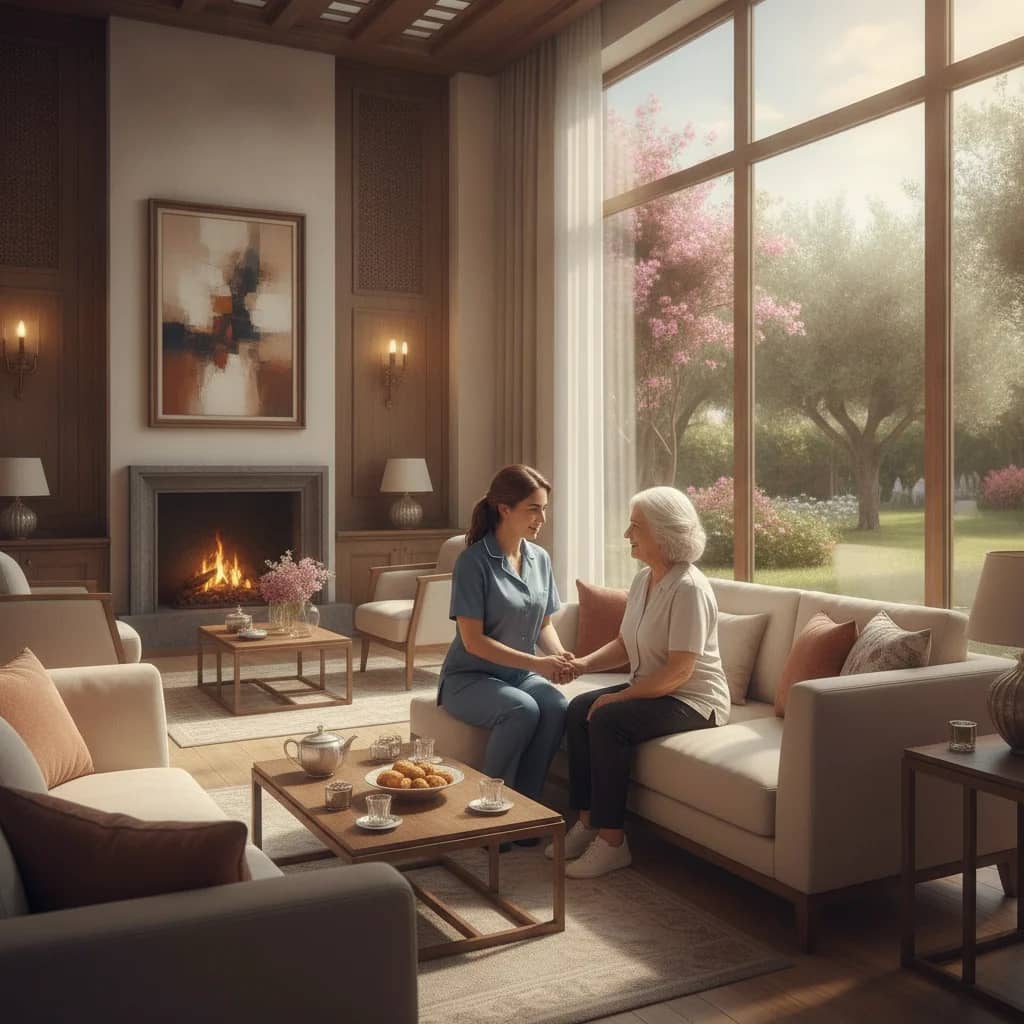
Thanks to the individual care plan offered at the institution, each resident's fluid monitoring, weight control, and meal consumption rates are recorded daily. Meal times are transformed into meaningful activities where residents come together, socialize, and enjoy themselves with their peers. This warm and safe living environment, where the feeling of loneliness is eliminated, helps resolve psychologically-induced losses of appetite naturally.
If you want to make sure that your loved ones are in professional hands, fed with love and care under expert supervision at every meal, you can visit our center in Ankara. You can contact us at any time to get detailed information about the special care, palliative care, and rehabilitation services offered by our institution, to meet our expert staff, and to create the most suitable care plan for your loved ones.