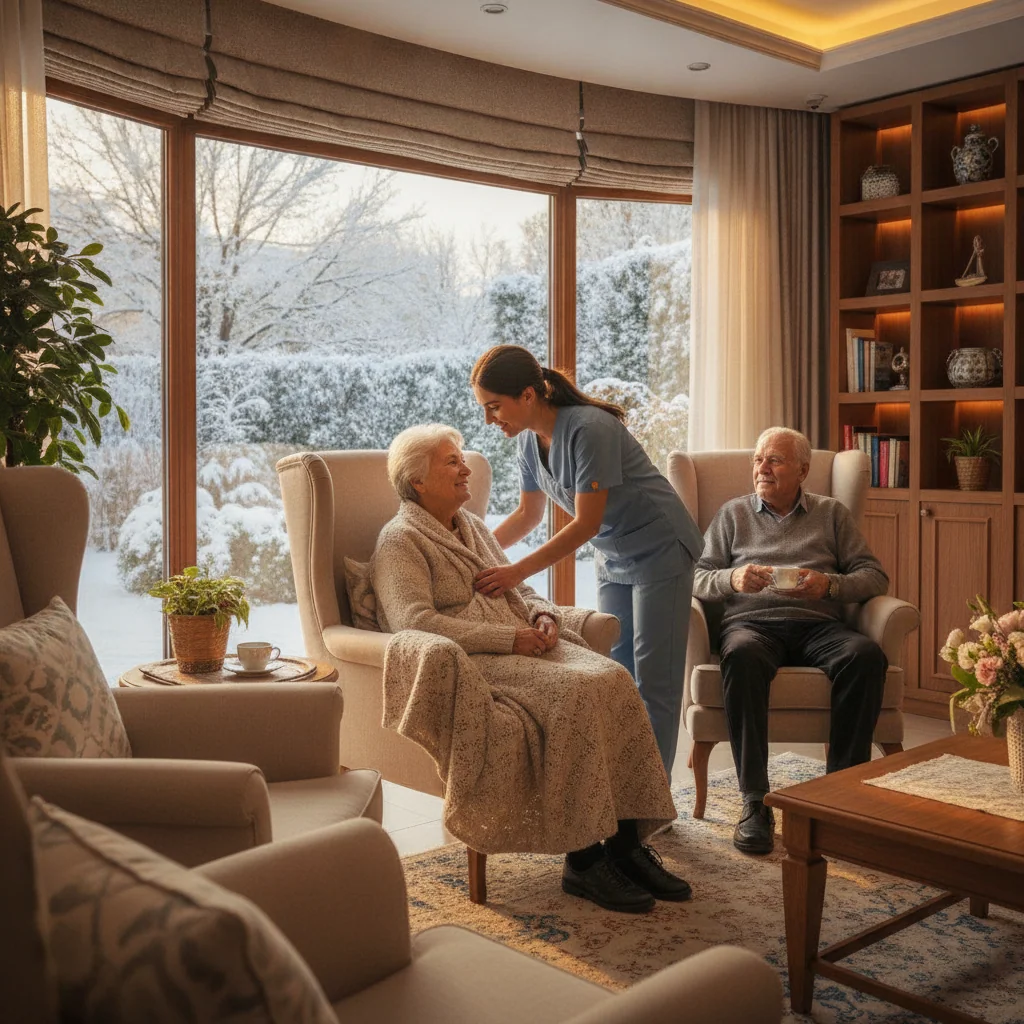
Methods for Protecting Elderly Health in Winter
With the arrival of the winter months, protecting the health of our elderly loved ones requires greater sensitivity than ever. Cold fronts, reduced sunlight, and increased virus circulation in indoor spaces place a serious strain on the delicate systems of elderly individuals. During this period, the greatest concern for families is the difficulty of managing these risks alone in a home environment. Right at this point, the scientifically formulated serve as a vital guide to help our elders get through this challenging season safely, comfortably, and without falling ill.
Physiological Effects of Cold Weather on Geriatric Health
With the aging process, the body's temperature regulation mechanism (thermoregulation) slows down. Even slight drops in temperature that a younger individual might not feel can lead to a dangerous drop in body temperature in the elderly, posing a risk of hypothermia. In addition, the constriction of blood vessels (vasoconstriction) in winter triggers blood pressure imbalances and the risk of heart attacks. It is of vital importance to closely monitor these physiological changes during elderly care processes.
Geriatric specialists state that respiratory tract infections during the winter season exacerbate chronic diseases. Individuals with Chronic Obstructive Pulmonary Disease (COPD), asthma, and heart failure are directly affected by cold and polluted air. In cities like Ankara, where the winter season is harsh and dry, maintaining the moisture balance of indoor air and keeping air quality high is critical. For this reason, climate control and room temperature monitoring carried out within a professional care center eliminate the risks of a home environment entirely.
Since the sensation of thirst decreases in elderly individuals, dehydration is very common in winter. A dehydrated body is left vulnerable to infections and paves the way for conditions such as mental confusion (delirium).
Golden Rules of Methods for Protecting Elderly Health in Winter
Ensuring our elders spend the winter season healthily requires planning too precise to be left to chance. Scientifically proven and clinically applied Methods for Protecting Elderly Health in Winter are grouped under the following headings:
1. Personalized Nutrition Supporting the Immune System
While metabolism slows down in winter, the body's need for vitamins and minerals increases. The balance of protein, vitamin C, zinc, and vitamin D in the diets of elderly individuals must be meticulously established. A special nutrition program implemented at the standards of an Ankara elderly care center keeps immunity strong while preventing weight loss or obesity. In particular, hot soups, bone broths, and winter vegetables rich in antioxidants should lead the menus.
2. Flawless Medication Management and Chronic Disease Monitoring
Winter infections can disrupt the existing medication routines of the elderly or require the use of additional medications. For elderly individuals with multiple drug use (polypharmacy), professional medication management is essential to prevent drugs from interacting with one another. Daily blood pressure, blood sugar, and pulse monitoring must be performed regularly, and interventions must be made at the slightest deviation.
3. Proper Layered Clothing and Protection of Skin Health
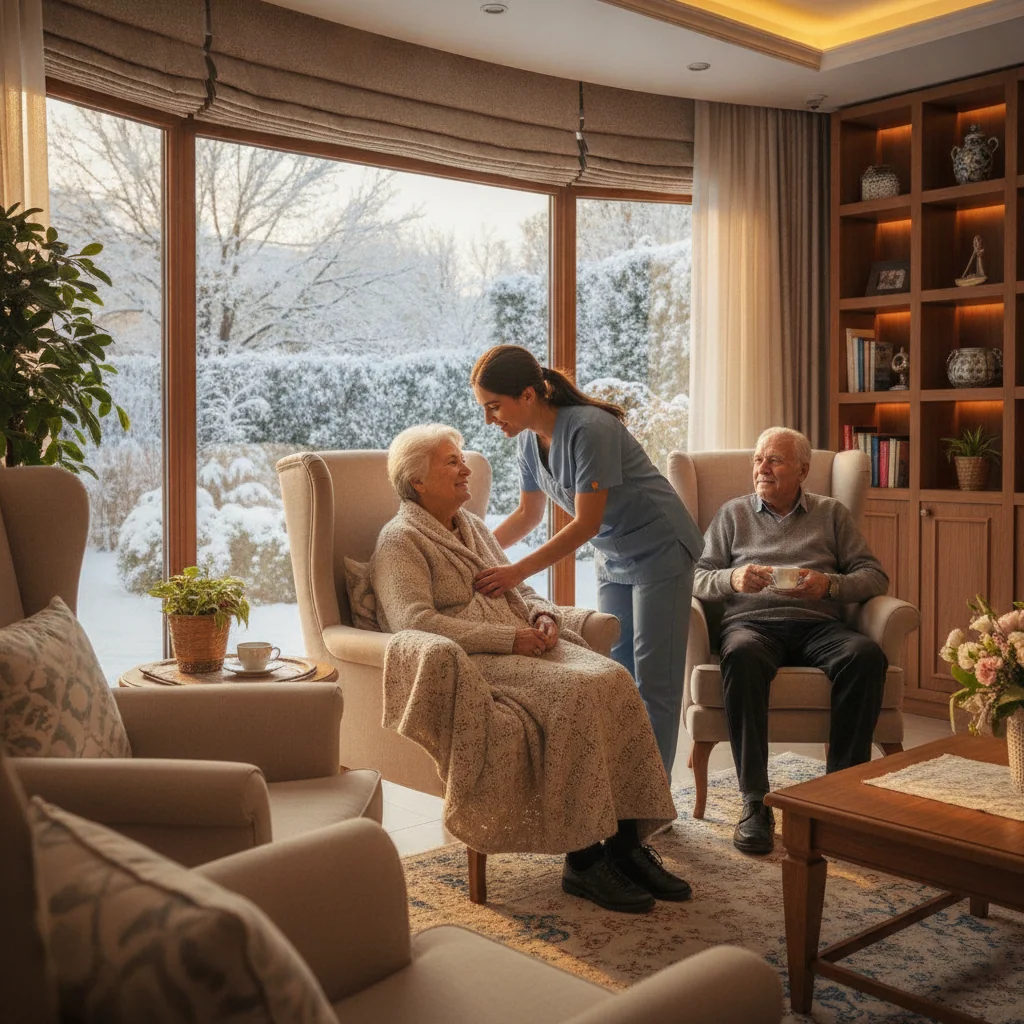
The skin structure of the elderly thins and dries over time. Cold weather increases this dryness, leading to itching, cracking, and wounds that can become gateways for infection. Instead of a single thick garment, wearing several layers of thin clothing made of breathable cotton fabrics traps body heat much better. Additionally, the skin needs to be supported with medical moisturizers throughout the winter.
How Are Winter Precautions Taken in Professional Care Institutions?
Many families experience anxiety about falling short in the face of the logistical and medical challenges of home elderly care during the winter months. In the frost of Ankara, heating problems at home, the fear of not being able to reach emergency medical help during snowfall, or the difficulty of going to hospital appointments are major sources of stress. At this very point, institutions that stand out among nursing home Ankara options lift this burden from families' shoulders with the comprehensive services they offer.
Yörtürk, a Ministry-approved and licensed institution, is designed to protect the health of our elderly at the highest level during Ankara's challenging winter conditions. The services offered within the institution are structured to eliminate all risks brought by the winter months:
- Immediate intervention and vital sign monitoring at the first sign of winter infections with 24/7 nursing support.
- Physical therapy and rehabilitation sessions conducted under the supervision of expert physiotherapists to counter reduced mobility in winter.
- Rich social activities organized indoors to prevent depression for residents who cannot go outside due to cold weather.
- Special lighting and therapy programs to reduce winter-induced confusion (sundown syndrome) for residents receiving Alzheimer's care and dementia care.
- Meticulous execution of bedside nursing and palliative care processes for bedridden patients with a high risk of respiratory tract infections.
Checklist of Precautions to Be Taken for Elderly Health in the Winter Season
There are critical steps that family caregivers or professional care staff must check every day throughout the winter. The following sequential guidelines offer a practical roadmap within the scope of methods for protecting elderly health in winter:
- Completing the Vaccination Schedule: In autumn and early winter, the flu (influenza) vaccine and pneumonia (pneumococcal) vaccine must be administered under the supervision of a geriatric specialist.
- Indoor Slip and Fall Precautions: Entrances, bathrooms, and corridors entered with wet shoes must always be kept dry. In winter, falls due to bone loss (osteoporosis) result in much more severe fractures.
- Indoor Humidity and Temperature Balance: The temperature of the room where the elderly stay should be kept constant between 21-23 degrees Celsius, and water containers should be placed on radiators to prevent the air from drying out.
- Vitamin D and Sunlight Supplementation: Even on cloudy winter days, elderly individuals should be allowed to get sunlight from windows, and their vitamin D levels should be monitored under a doctor's supervision.
- Mental and Emotional Support: The feeling of being cooped up at home in winter triggers depression in the elderly. The mind should be kept active with family video calls, reading hours, and handicraft activities.
Frequently Asked Questions About Elderly Care in the Winter Period
How can joint pain seen in the elderly in winter be reduced?
Cold weather increases the density of joint fluid, triggering calcification and rheumatic pain. To reduce this pain, room temperature should be maintained, light exercises should be performed, and, if necessary, the area around the joints should be kept warm with hot compress applications recommended by physical therapy specialists.
Is it safer for an elderly relative to stay at home or in a nursing home in winter?
If the elderly individual has chronic illnesses, it is much safer for them to stay in institutions such as a Ministry-approved nursing home or a private nursing home in Ankara, which offer 24/7 nursing support and emergency medical intervention facilities. These institutions have the capacity for immediate medical intervention against respiratory crises, falls, and infections that may occur in winter.
What are the symptoms of depression in the elderly during winter, and how can it be prevented?
Loss of appetite, a constant desire to sleep, fatigue, and reluctance in elderly individuals experiencing social isolation due to early sunset and cold weather can point to winter depression. To prevent this, meaningful activities should be planned during the day, connections with the social environment should not be severed, and, if necessary, psychological support should be sought from experts.
Offer Your Loved Ones a Safe Winter with the Right Nursing Home Choice
As our loved ones age, our desire to provide them with the best care can sometimes leave us overwhelmed by the heavy responsibilities brought by winter conditions. The feelings of guilt and anxiety experienced during this process are completely natural. However, it should not be forgotten that choosing a professional elderly care home or an Ankara nursing home is not giving up on them; it is providing them with the safe living environment and medical comfort they deserve.
Serving in the Yenimahalle nursing home region with its fully-equipped structure intertwined with nature, Yörtürk Nursing Home and Elderly Care Center leaves all the negatives of the winter season outside the door. If you want your loved ones to spend the winter in a warm, loving, medically fully-equipped, and constantly supervised environment, you can contact our professional team and visit our institution to examine our transparent care standards on-site.